
Introduction
If you have ever scrolled through job boards and wondered why everyone seems to be chasing fintech jobs salary numbers, you are not alone. Fintech has quietly become one of the highest paying corners of the tech world, and people want in. Whether you are a fresh graduate, a banker thinking about switching lanes, or a software engineer curious about a pay bump, understanding fintech jobs salary trends can help you make a smarter career move.
In this guide, I will walk you through what fintech professionals actually earn, which roles pay the most, how experience and skills change your paycheck, and whether fintech truly beats traditional banking on income. We will also look at remote pay, entry level numbers, and where the industry is heading in 2026. By the end, you should have a clear picture of what to expect and how to position yourself for a bigger salary.
What Is The Average Fintech Job Salary In The USA?
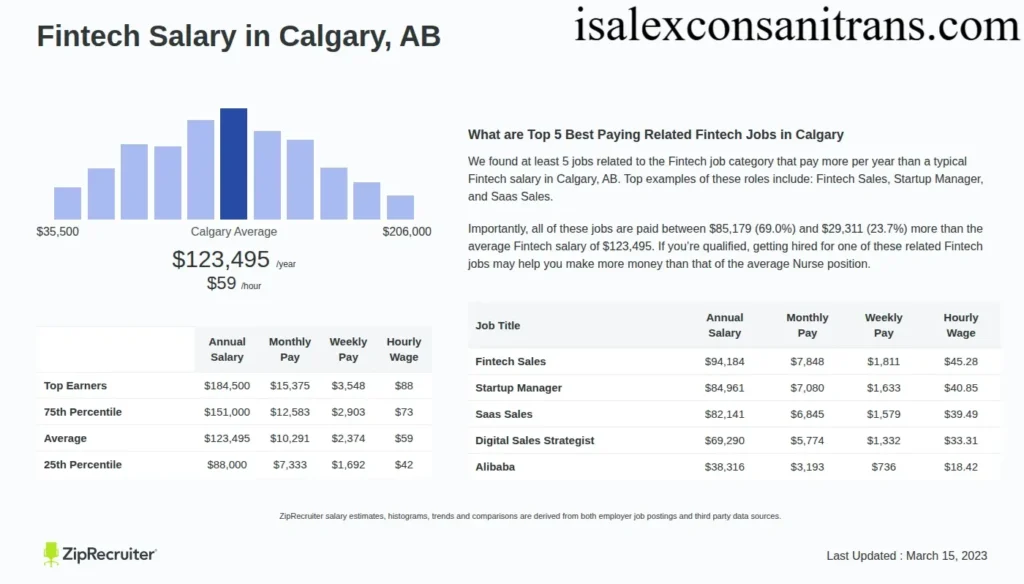
Numbers vary depending on the source, but the general picture is consistent. According to recent salary data, the average fintech salary in the United States sits somewhere around 113,000 to 123,000 dollars a year. Some platforms report even higher averages once senior roles and equity compensation are included, with figures climbing past 190,000 dollars when leadership and specialized positions are factored in.
That is a wide range, and it makes sense. Fintech is not one job. It covers software engineers, product managers, compliance officers, data analysts, and executives, all under one umbrella. So when people search for fintech jobs salary information, they are really asking about dozens of different pay scales at once.
How Much Do Fintech Employees Earn?
On average, fintech employees earn noticeably more than workers in many other industries. Entry level staff typically start in the 45,000 to 55,000 dollar range annually. Mid level professionals often land between 80,000 and 130,000 dollars. Senior specialists, engineers, and managers frequently earn 150,000 dollars or more, especially in major tech hubs.
A few things push these numbers higher than average:
- Fintech companies compete directly with big tech firms for talent, so they match tech level pay.
- Many roles involve handling money, risk, and regulation, which adds a skill premium.
- Startups often offer equity or bonuses on top of base salary.
Which Fintech Jobs Pay The Highest Salaries?
If you want the biggest fintech jobs salary numbers, aim for these roles.
Highest Paying Fintech Roles
- Engineering leadership and architects often earn well above 180,000 dollars, especially at companies building trading platforms or payment infrastructure.
- Product managers in fintech frequently earn between 130,000 and 190,000 dollars due to the complexity of financial products.
- Data scientists and AI specialists are in huge demand right now, with salaries often crossing 150,000 dollars.
- Cybersecurity experts in fintech command premium pay because financial data breaches are extremely costly.
- Blockchain developers remain one of the highest paid niches, sometimes earning over 160,000 dollars thanks to limited talent supply.
- Sales and business development leaders can also earn six figure base pay plus commission, sometimes topping 180,000 dollars in total compensation.
What Is The Starting Salary For Fintech Jobs?
Starting out, expect a more modest number. Entry level fintech jobs salary figures typically fall between 45,000 and 55,000 dollars a year in the United States. This can shift based on location, company size, and your specific role.
Graduates with strong technical skills, like coding or data analysis, tend to start higher, sometimes closer to 70,000 or 80,000 dollars if they land engineering roles at well funded startups. Non technical entry roles, such as customer support or junior operations, usually sit at the lower end of that range.
Are Fintech Jobs Higher Paying Than Banking Jobs?
This is one of the most common questions people ask, and the honest answer is it depends on the role. Fintech companies generally pay competitively with, or slightly above, traditional banks for technical and product roles. Startups often use higher base pay and equity to attract talent away from established banks.
However, large investment banks still offer massive bonuses for certain front office roles that can outpace typical fintech compensation. So if you are comparing a fintech software engineer to a bank software engineer, fintech usually wins. If you are comparing a fintech analyst to an investment banking analyst chasing bonus season, banking might still edge ahead in total pay.
For most people though, fintech offers a better balance of solid base salary, faster growth, and modern work culture, which is why fintech jobs salary searches keep climbing.
What Skills Increase Fintech Salaries?
Certain skills consistently push fintech jobs salary numbers higher. If you want to earn more, focus on these areas.
- Programming languages like Python, Java, and Go remain highly valued across fintech engineering teams.
- Cloud infrastructure knowledge, especially AWS or Azure, is almost mandatory for senior technical roles.
- Data analysis and machine learning skills open doors to some of the best paying positions in the industry.
- Regulatory and compliance knowledge is rare and valuable, since fintech operates under heavy financial oversight.
- Cybersecurity certifications can significantly boost pay given how sensitive financial data is.
- Blockchain and smart contract experience continues to command a strong premium due to limited supply of experts.
In my experience watching this space, professionals who combine a technical skill with financial literacy almost always out earn peers who only have one or the other.
How Much Do Fintech Software Engineers Make?
Fintech software engineers are among the best paid professionals in the sector. Current data shows the average annual salary for fintech software engineers landing around 147,000 dollars in the United States. Entry level engineers may start closer to 100,000 dollars, while senior engineers in expensive tech hubs like San Francisco can earn well over 200,000 dollars including bonuses.
This makes software engineering one of the clearest paths if your goal is a high fintech jobs salary right out of the gate.
What Is The Salary Of A Fintech Data Analyst?
Data analysts play a critical role in fintech, helping companies understand user behavior, fraud patterns, and financial risk. The average salary for a fintech analyst currently sits around 88,000 dollars a year in the United States, with a typical range between 64,000 and nearly 100,000 dollars depending on experience and location.
Analysts who move into senior data science or analytics leadership roles can expect their pay to climb well beyond that starting range.
Do Remote Fintech Jobs Pay Well?
Yes, remote fintech jobs often pay competitively, sometimes matching or coming close to in office salaries at major hubs. Many fintech companies operate fully remote or hybrid teams and set pay based on role and experience rather than office location.
That said, some companies still adjust pay based on where you live, so a remote fintech jobs salary in a lower cost city might be slightly less than the same role based in New York or San Francisco. Still, remote fintech roles remain one of the more flexible and well compensated paths in tech right now.
Is Fintech A Good Career For High Income?
Absolutely, fintech remains one of the strongest paths if a high income is your goal. The combination of technology demand and financial industry stakes keeps salaries competitive across almost every role. Growth areas like artificial intelligence, cybersecurity, and blockchain are pushing fintech jobs salary numbers even higher heading into 2026.
If you build the right skills, stay flexible about location, and target high growth specialties, fintech can offer a faster and more rewarding path to strong earnings than many traditional industries.
Final Thoughts
Fintech jobs salary numbers tell a clear story. This industry rewards technical skill, financial knowledge, and adaptability with some of the strongest pay in the modern job market. Whether you are just starting out or looking to switch careers, understanding where the money is can help you plan your next move with confidence.
What role are you aiming for next? If this guide helped clarify your path, consider sharing it with someone else exploring a career in fintech.
Frequently Asked Questions
What is a good salary in fintech? A good fintech salary generally starts around 80,000 dollars for mid level roles and climbs well past 150,000 dollars for senior or specialized positions.
Do fintech jobs pay more than regular tech jobs? Fintech often matches or slightly exceeds general tech salaries because of the added complexity of handling financial products and regulation.
What is the highest paying job in fintech? Engineering leadership, product management, and specialized roles in artificial intelligence or blockchain typically pay the most.
Is fintech a stressful career? Fintech can be fast paced due to regulatory pressure and rapid innovation, but many professionals find the pay and growth opportunities worth it.
Do you need a finance degree to work in fintech? No, many fintech roles, especially in engineering and data, value technical skills over a finance background.
How fast do fintech salaries grow? Fintech salaries tend to grow quickly for professionals who build in demand skills like cloud computing, AI, and cybersecurity.
Are fintech startups riskier but higher paying? Startups often offer higher base pay or equity to compete for talent, though job stability can vary more than at established companies.
isalexconsanitrans.com
Email: johanharwen314@gmail.com
Author Name: Hamid Ali
About The Author: Hamid Ali is a career and finance content writer who covers job market trends, salary insights, and workplace growth strategies. He enjoys breaking down complex industry data into practical advice that helps readers make confident career decisions.