Introduction
You pull up to a gas station almost every week without thinking twice about it. You swipe your card, fill your tank, maybe grab a coffee, and you are back on the road in minutes. But have you ever stopped to wonder how this business actually works?
The gas station is one of the most visited retail locations in the world. In the United States alone, there are over 145,000 gas stations operating today. That number tells you something important: this is not just a convenience stop. It is a full-scale industry worth billions of dollars.
This article gives you a complete look inside the gas station business. You will learn about the services it offers, how it earns money, who its competitors are, and where the industry is heading. Whether you are a curious reader, a potential investor, or someone thinking about starting one, this guide covers everything you need to know.
What Is a Gas Station? Company Introduction
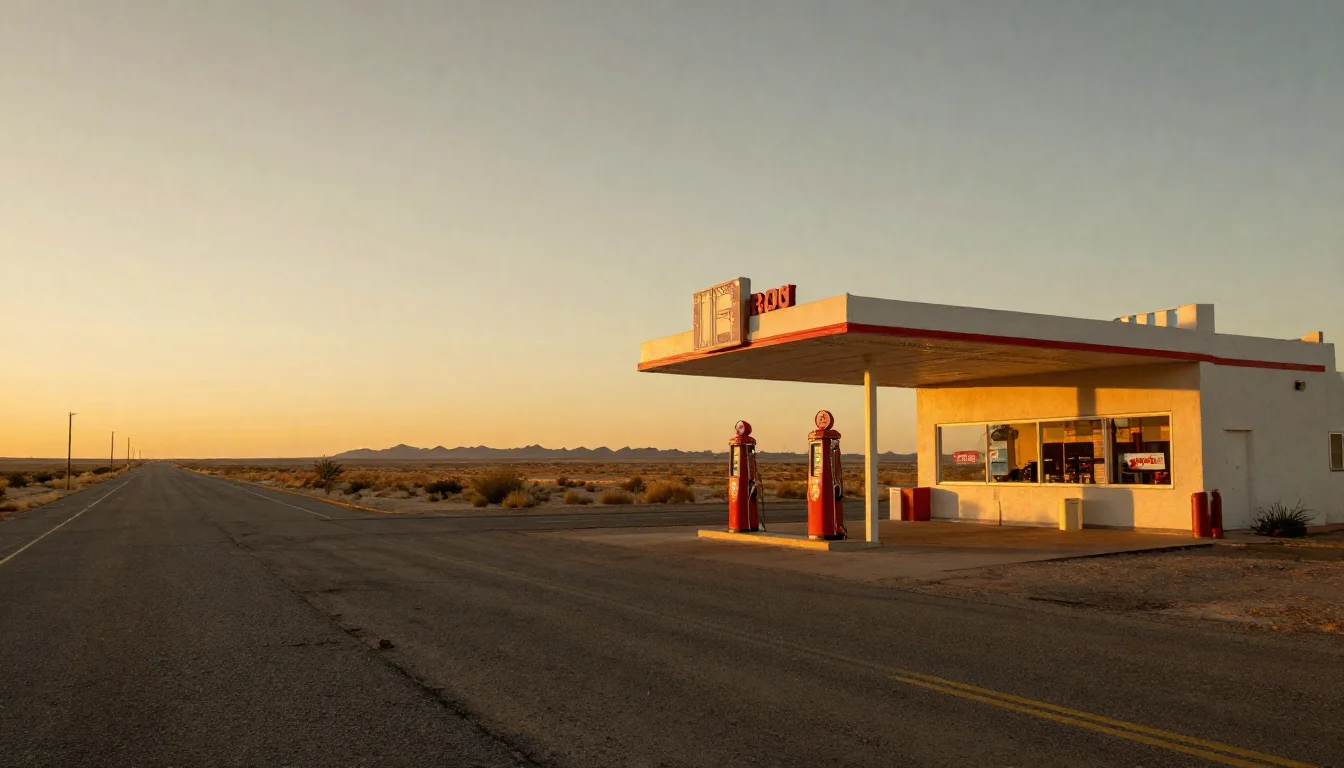
A gas station is a retail facility that sells fuel to motorists. It also goes by the name filling station, petrol station, or service station depending on where you live. The concept started in the early 1900s when automobiles became common, and the need for accessible fuel became a business opportunity.
Early gas stations were simple. You drove in, an attendant pumped your fuel, and you left. Over the decades, the model expanded. Today, a modern gas station is a full-service business that combines fuel sales, convenience retail, car wash services, and sometimes even fast food restaurants.
Major players in this space include brands like Shell, ExxonMobil, BP, Chevron, Sunoco, and many independent operators. Some gas stations are company-owned and company-operated. Others work under a franchise or dealer model, where a local business owner runs the station under a recognized brand.
What makes a gas station interesting as a business is its dual nature. It serves as both a fuel distributor and a retail store. That combination creates multiple income streams and keeps customers returning regularly.
Services and Products Offered
When you walk into a well-run gas station, you will find far more than just fuel. The modern gas station has expanded its offerings significantly over the past two decades.
Fuel Products
The core product is fuel. Most stations carry:
- Regular unleaded gasoline (87 octane)
- Mid-grade gasoline (89 octane)
- Premium gasoline (91 to 93 octane)
- Diesel fuel for trucks and some passenger vehicles
- E85 ethanol fuel at select locations
Some stations now also offer compressed natural gas (CNG) and hydrogen fuel, especially in regions where alternative fuel vehicles are common.
Convenience Store
The in-store retail section is a major revenue driver. You can typically find:
- Snacks, candy, and chips
- Hot and cold beverages including coffee, energy drinks, and sodas
- Tobacco and vaping products
- Over-the-counter medicines and personal care items
- Lottery tickets
- Packaged groceries and ready-to-eat meals
Additional Services
Many stations have added services to increase foot traffic and revenue:
- Car wash (manual, automatic, or touchless)
- ATM machines
- Air and water stations for tire inflation
- Propane tank exchange
- Phone charging stations
- Drive-through food options (often partnered with fast food brands like McDonald’s or Subway)
These extras make the gas station a one-stop destination rather than just a fuel stop.
Market Position in the Industry
The gas station industry sits at the intersection of fuel distribution and retail. It is a mature, competitive, and essential industry. You cannot move vehicles without fuel, which gives gas stations a permanent place in the economy.
Industry Size and Scale
The global gas station market was valued at approximately 3.15 trillion dollars in 2023. In the United States, the fuel and convenience store retail industry generates over 680 billion dollars annually. These numbers show just how large this sector is.
Brand Power and Market Share
Large branded chains like Shell, ExxonMobil, and BP hold strong market positions because of brand recognition, loyalty programs, and consistent fuel quality. However, independent and regional operators still hold a significant share of the market, particularly in rural and suburban areas.
Location Is Everything
A gas station’s market position depends heavily on its location. High-traffic roads, highway exits, suburban intersections, and areas with few nearby competitors create the strongest positions. A well-placed gas station can generate millions of dollars in annual revenue simply because of where it sits.
Consumer Loyalty Programs
Major brands invest heavily in loyalty programs. Shell’s Fuel Rewards, ExxonMobil’s Mobil Speedpass+, and BP’s BPme rewards app all encourage you to return to the same brand repeatedly. These programs strengthen market position by creating habitual customers.
How a Gas Station Makes Money: Revenue Model
Here is something that surprises many people: a gas station does not make most of its money from selling fuel. The profit margins on gasoline are razor-thin, often just 5 to 10 cents per gallon. So where does the real money come from?
Fuel Sales
Fuel generates the highest volume but the lowest margins. Stations buy fuel wholesale from distributors and sell it at a slight markup. The margin fluctuates with crude oil prices. When oil prices rise, margins often get squeezed even further.
According to the National Association of Convenience Stores (NACS), the average pretax profit on a gallon of gasoline is around 10 to 15 cents. On a busy day, a station might sell 3,000 to 5,000 gallons. That adds up, but it is still modest compared to convenience store profits.
Convenience Store Sales
This is where the real money is. Convenience store items like coffee, snacks, and tobacco carry margins of 30 to 60 percent. A cup of coffee that costs 25 cents to make sells for 2 dollars. A bag of chips bought in bulk at 30 cents sells for 1.50 dollars.
NACS data shows that in-store sales account for about 30 to 40 percent of a gas station’s total revenue but contribute nearly 60 to 70 percent of its gross profit. That is a striking difference.
Car Wash Revenue
Car washes generate steady, high-margin revenue. An automatic car wash might cost 1 to 2 dollars in water and chemicals per wash and charge the customer 8 to 15 dollars. Monthly car wash subscription plans are increasingly popular and create predictable recurring income.
Ancillary Income
Additional revenue streams include:
- ATM surcharge fees
- Lottery commission (typically 5 to 7 percent of ticket sales)
- Propane exchange commission
- Advertising from in-store displays and digital screens
- Franchise fees if the gas station operates as a branded dealer
Lease and Rent Income
Some gas station owners lease space to fast food operators or other small businesses located on their property. This creates passive income on top of the core business.
Key Competitors in the Market
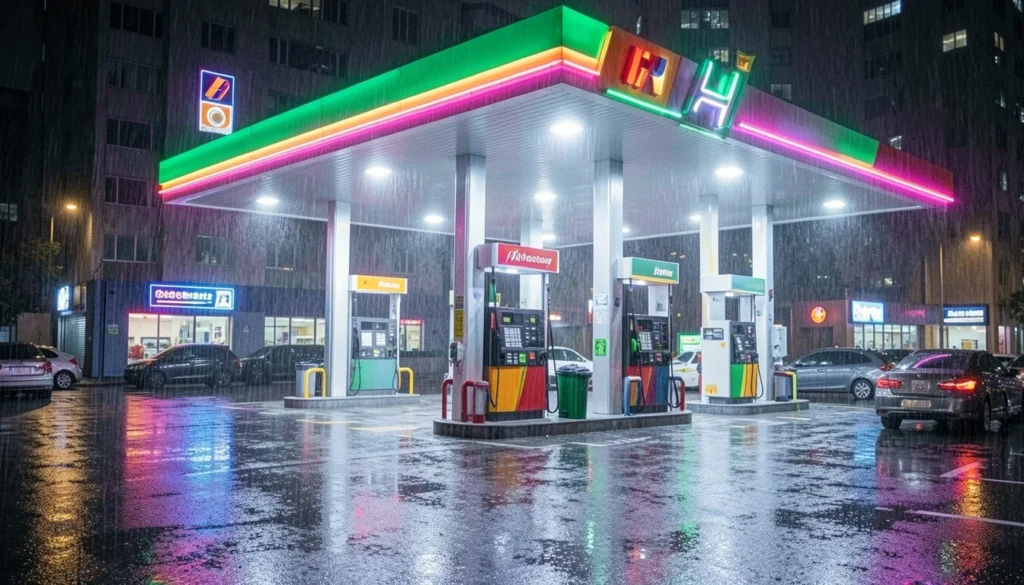
The gas station industry is intensely competitive. You will find competition at multiple levels, from global oil companies to local independent operators.
Major Brand Competitors
Shell is the world’s largest fuel retailer, operating in over 70 countries with more than 40,000 service stations globally. Shell competes on brand trust, fuel quality, and its loyalty program.
ExxonMobil operates one of the largest networks in the United States under the Exxon and Mobil brands. Its on-the-go rewards app and partnerships with food brands give it a retail edge.
BP has rebranded itself with a sustainability message in recent years, investing in electric vehicle charging infrastructure while maintaining its global fuel network.
Chevron and Texaco (both under the Chevron Corporation) are prominent in the western United States and Latin America, known for their Techron fuel additive and strong loyalty programs.
Sunoco, Marathon, and Valero are major regional and national brands in the United States, each with thousands of locations.
Independent Operators
Independent gas stations represent a large portion of the market. They compete on price, local relationships, and unique offerings. Without the overhead of a franchise, they can sometimes undercut branded competitors on fuel prices.
New Entrants: EV Charging Networks
A growing competitive threat comes from electric vehicle (EV) charging networks. Companies like Tesla Supercharger, ChargePoint, and Electrify America are not traditional gas stations, but they are competing for the same customer who needs to “refuel” their vehicle. As EV adoption grows, these networks become more relevant.
Warehouse Clubs
Costco, Sam’s Club, and BJ’s Wholesale Club operate fuel stations exclusively for members. They often sell gasoline at prices well below the market average, drawing high-volume traffic and putting real pressure on nearby traditional gas stations.
Future Plans and Industry Trends
The gas station industry is changing fast. You can already see signs of this transformation at many locations today.
Electric Vehicle Charging Integration
The single biggest shift coming is EV charging. As governments around the world set deadlines to phase out internal combustion engine vehicles, gas station operators are investing in EV infrastructure. Shell, BP, and many independent operators are already installing fast-charging stations alongside traditional fuel pumps.
The goal is to evolve from a “gas station” to an “energy station” that serves all types of vehicles. BP has announced plans to invest 5 billion dollars in EV charging infrastructure by 2030.
Expanded Food and Beverage Offerings
Many gas stations are moving upmarket with food. Instead of basic hot dogs and prepackaged sandwiches, premium stations now offer fresh-made food, barista-quality coffee, and healthy meal options. Wawa, Sheetz, and Casey’s General Stores in the United States have built cult followings specifically for their food programs.
Automation and Contactless Technology
Self-checkout kiosks, tap-to-pay at the pump, mobile app ordering, and automated car washes are all growing trends. These reduce labor costs and improve customer experience at the same time.
Sustainability Initiatives
Beyond EV charging, gas stations are exploring solar panels on canopy roofs, LED lighting upgrades, and partnerships with carbon offset programs. This shift is partly driven by regulation and partly by customer expectations.
Convenience Delivery
Some gas stations are partnering with apps like DoorDash and GoPuff to offer convenience store delivery. You can now get a bag of chips or a cold drink delivered to your door from a nearby gas station, which opens a new revenue channel beyond in-store foot traffic.
Benefits of the Gas Station Business
Running or investing in a gas station comes with real advantages. Here is what makes this business model attractive.
Recession-Resistant Demand
People need fuel regardless of the economy. Even during recessions, commuters, truckers, and travelers need to fill up. This makes the gas station more stable than many other retail businesses.
Multiple Revenue Streams
As you have seen, the gas station earns from fuel, convenience retail, car washes, ATMs, and ancillary services. This diversification protects the business when one stream underperforms.
High Customer Volume
A busy gas station sees hundreds or even thousands of customers per day. Each visit is a chance to sell in-store products, upsell a car wash, or build brand loyalty. The foot traffic alone is a major asset.
Franchise Support
If you operate under a major brand, you receive marketing support, fuel supply agreements, training, and technology tools that would be expensive to develop independently.
Real Estate Value
Gas stations are often located on prime commercial real estate. The land and property itself can appreciate significantly over time, giving you an asset that grows independent of the business operations.
Community Presence
A gas station becomes a local landmark. People remember it, refer friends to it, and build habits around it. That community presence is difficult for online competitors to disrupt.
Conclusion
The gas station is far more than a place to fill your tank. It is a sophisticated, multi-layered business that combines fuel distribution, retail, food service, and increasingly, clean energy. It serves millions of customers every day while navigating thin fuel margins, fierce competition, and an industry-wide transformation toward electric vehicles.
If you are thinking about this business as an investment or just want to understand how it all works, the picture is clear: the gas station model is evolving, not disappearing. The operators who adapt, embrace technology, and diversify their revenue will continue to thrive well into the future.
What aspect of the gas station business surprised you the most? Share this article with someone who would find it useful, and let us know your thoughts in the comments.
FAQs
1. How much does it cost to open a gas station? Opening a gas station typically costs between 250,000 dollars and 2 million dollars depending on location, land purchase or lease, equipment, and whether you buy a franchise or operate independently.
2. How much profit does a gas station make per year? A well-run gas station can net between 50,000 and 150,000 dollars per year in profit, though high-volume stations in prime locations can earn significantly more.
3. Is owning a gas station a good investment? It can be, especially if the location is strong and you maximize in-store and ancillary revenue. The real estate alone can be a valuable long-term asset.
4. Why do gas station prices change so frequently? Fuel prices are tied to crude oil markets, regional supply and demand, taxes, and local competition. These factors shift daily, which is why pump prices change so often.
5. Do gas stations make money on fuel or in-store sales? Most of the profit comes from in-store convenience sales. Fuel margins are very thin, often just a few cents per gallon, while store products carry much higher margins.
6. What is the most profitable part of a gas station business? The convenience store and car wash are generally the most profitable parts. Coffee and prepared food items carry some of the highest margins of any product in the store.
7. Are gas stations affected by electric vehicles? Yes, the rise of EVs is a long-term challenge. However, many stations are adapting by adding EV charging points and expanding food and retail offerings to keep customers coming in.
8. What is the difference between a franchise gas station and an independent one? A franchise station operates under a brand like Shell or Chevron and follows brand guidelines, while an independent station sets its own prices, products, and services without brand restrictions.
9. How many gallons of fuel does a typical gas station sell per day? An average gas station sells between 3,000 and 5,000 gallons per day. High-volume stations near highways or in busy areas can sell 10,000 or more gallons daily.
10. Can a gas station also sell electric vehicle charging? Yes, and many already do. Brands like BP and Shell are actively installing fast EV chargers at existing gas stations to future-proof their business model.
Also Read In isalexconsanitrans.com
Email: johanharwen314@gmail.com
Author Name: Hamid Ali
About the Author: Hamid Ali is a business and industry writer with a passion for breaking down complex topics into clear, practical insights. With years of experience covering retail, energy, and entrepreneurship, Hamid helps readers understand how everyday businesses actually work. He believes that smart reading leads to smarter decisions, whether you are running a business or simply curious about the world around you.