Introduction
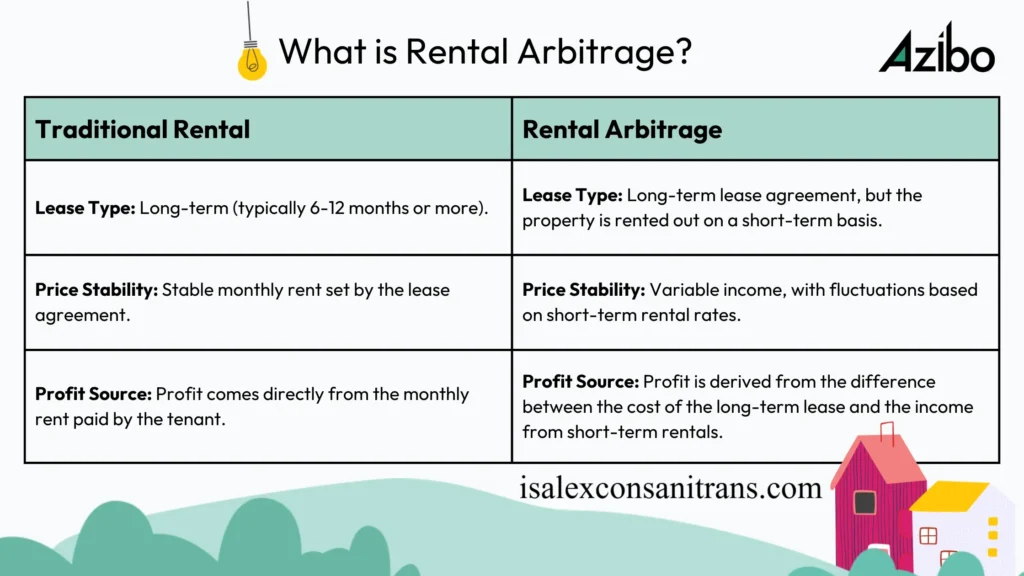
Have you ever dreamed of running a short term rental business without spending a fortune on buying property? That is exactly what rental arbitrage offers you. Rental arbitrage is a strategy where you rent a property long term and then legally sublease it as a short term rental on platforms like Airbnb or Vrbo. You earn the difference between what you pay in rent and what guests pay to stay.
This model has become popular because it lowers the barrier to entry into the short term rental world. You do not need a mortgage, a down payment, or years of savings. You simply need the right lease, the right location, and a solid plan.
In this guide, you will learn how rental arbitrage works, whether it is legal in your state, how much you can realistically earn, and what risks you should watch out for. You will also see real examples from Texas, Florida, Tennessee, Arizona, and Nevada, along with a clear comparison between rental arbitrage and other real estate strategies.
What Is Rental Arbitrage?
Rental arbitrage means you sign a long term lease with a landlord and then rent that same property out short term to travelers and guests. You act as the middleman between the property owner and short term guests.
You pay a fixed monthly rent to your landlord. Then you list the property on short term rental platforms at a nightly rate that is higher than your daily rent cost. The profit you keep after covering rent, utilities, and other expenses is your income.
This model works well in cities with strong tourism, business travel, or event driven demand. It gives you the chance to build a rental income stream without owning any real estate.
How Does Rental Arbitrage Work?
The process is simple once you understand each step. Here is how a typical rental arbitrage deal comes together.
- Find a suitable property. Look for homes or apartments in areas with strong short term rental demand.
- Get landlord approval. This step is critical. You must have written permission to sublease the unit for short term stays.
- Sign the lease. Make sure the lease clearly allows subletting or short term rental use.
- Furnish the home. Guests expect a comfortable, well equipped space, so you will need furniture, appliances, and decor.
- List the property. Create a listing on Airbnb, Vrbo, or another platform with quality photos and a strong description.
- Manage bookings. Handle guest communication, cleaning, and maintenance to keep your ratings high.
Once bookings start coming in, you begin collecting income that exceeds your monthly rent, and the difference becomes your profit.
Is Rental Arbitrage Legal in the USA?
Yes, rental arbitrage is legal in the United States, but it is not automatically allowed everywhere. Legality depends on several layers of rules that you must check before signing a lease.
State laws vary widely. Some states have friendly short term rental regulations, while others impose strict limits. City ordinances add another layer, since many cities require permits, licenses, or registration for short term rentals. HOA rules can also block short term rentals entirely, even if the city allows them.
The most important factor is landlord permission. Even if your city and state allow short term rentals, your lease must specifically permit subleasing for this purpose. Operating without landlord approval can lead to eviction and legal trouble, so always get this in writing.
Because rules change often, always check your local city website and speak with your landlord before committing. This step alone separates successful rental arbitrage operators from those who run into legal problems.
How Much Can You Make With Rental Arbitrage?
Profits from rental arbitrage depend on several factors. Location plays the biggest role, since tourist heavy or business travel heavy cities generate more bookings. Nightly pricing, occupancy rate, and your operating expenses all affect your final profit.
For example, if you pay 1,800 dollars in monthly rent and your average nightly rate is 120 dollars with a 70 percent occupancy rate, you could bring in around 2,520 dollars a month. After subtracting rent, utilities, cleaning, and platform fees, many operators report a net profit of a few hundred to over a thousand dollars per unit each month.
Some experienced operators scale rental arbitrage across multiple units and generate a full time income. Others treat it as a side income stream. Your results depend heavily on how well you manage pricing, occupancy, and guest experience.
Do You Need to Own Property for Rental Arbitrage?
No, you do not need to own property to succeed with rental arbitrage. This is one of the biggest reasons people choose this strategy. You lease the property instead of buying it, which means you avoid mortgage approval, large down payments, and long term ownership responsibilities.
This makes rental arbitrage an attractive entry point for people who want to enter the short term rental industry without the financial burden of property ownership.
What Are the Startup Costs for Rental Arbitrage?
Before you start earning, you need to invest in setting up the property. Typical startup costs include the following.
- Security deposit for the lease
- First month rent payment
- Furniture and appliances
- Decor and household items
- Cleaning supplies and initial deep clean
- Short term rental insurance
- Listing setup and professional photography
Many new operators spend between 5,000 and 15,000 dollars to fully furnish and prepare a property, depending on size and location. Budgeting carefully before you begin helps you avoid running out of cash before your first bookings arrive.
What Are the Risks of Rental Arbitrage?
Like any business model, rental arbitrage comes with risks you should plan for.
- Local regulations can change, sometimes restricting or banning short term rentals in your area.
- Low occupancy during slow seasons can eat into your profit margin.
- Lease violations can happen if your landlord did not clearly approve subleasing.
- Seasonal demand shifts can create unpredictable income, especially in vacation destinations.
- Maintenance costs can rise quickly with frequent guest turnover.
Understanding these risks ahead of time allows you to build a buffer into your budget and avoid financial strain.
Best Platforms for Rental Arbitrage
Choosing the right platform matters as much as choosing the right property. The most popular options include Airbnb, Vrbo, Furnished Finder, and Booking.com.
Airbnb works well for leisure travelers and short stays. Vrbo attracts families and longer vacation bookings. Furnished Finder is ideal if you want to target traveling professionals such as nurses or contractors who need monthly stays. Booking.com brings in a strong international audience, which helps in cities with heavy tourism.
Many successful rental arbitrage operators list on more than one platform to increase visibility and reduce vacancy.
Rental Arbitrage by State: Real Examples
Regulations and opportunities differ across the country, so let us look at five popular states for rental arbitrage.
Texas
Texas offers a generally favorable environment for rental arbitrage, especially in cities like Austin, Dallas, and San Antonio. These cities attract strong business travel and event based tourism. However, some cities have added registration requirements, so checking local rules is essential.
Florida
Florida remains one of the top states for short term rentals due to constant tourism. Cities like Orlando and Tampa see high demand year round. Some coastal cities have stricter zoning laws, so always confirm city specific rules before signing a lease.
Tennessee
Nashville has become a hotspot for rental arbitrage thanks to its music tourism and event industry. The city requires permits for short term rentals, so operators must apply and stay compliant to avoid fines.
Arizona
Phoenix and Scottsdale attract seasonal visitors, especially during winter months. Arizona generally supports short term rentals at the state level, though individual cities may add licensing requirements.
Nevada
Las Vegas draws massive tourism and event traffic, but the city has strict short term rental regulations. Successful operators here typically focus on areas outside the strictest zoning limits or work closely with compliant property managers.
Rental Arbitrage vs Real Estate Investing
Rental arbitrage and real estate investing differ mainly in ownership. With real estate investing, you buy the property, build equity, and benefit from long term appreciation. With rental arbitrage, you lease the property, so you never build equity, but you also avoid the large capital needed to purchase real estate.
Real estate investing requires financing, credit approval, and a larger upfront investment. Rental arbitrage requires less capital and offers faster entry into the short term rental business, though it comes with less long term wealth building potential.
Rental Arbitrage vs Airbnb Hosting
Airbnb hosting usually refers to renting out a property you already own, such as a spare room or a second home. Rental arbitrage involves leasing a property specifically to sublease it short term.
The main difference lies in ownership and risk. Airbnb hosts risk their own property, while rental arbitrage operators risk their leased investment and depend on landlord cooperation. Both models can be profitable, but rental arbitrage allows you to scale faster since you are not limited to properties you personally own.
Rental Arbitrage vs House Hacking
House hacking means you live in a property, such as a duplex, while renting out other units or rooms to cover your mortgage. Rental arbitrage does not require you to live in the property at all.
House hacking works best for people who already own or plan to buy property. Rental arbitrage suits people who want short term rental income without any ownership responsibilities. Both strategies reduce your housing costs or generate income, but they follow very different paths.
Compliance: Permits, Taxes, and Licensing
Successful rental arbitrage depends heavily on compliance. Most cities require a short term rental permit or business license before you can legally operate. Skipping this step can result in fines or forced shutdowns.
You must also collect and remit local occupancy taxes, which vary by city and state. Some platforms automatically collect these taxes for you, but you should always confirm this with your local tax authority.
Keeping accurate records of income and expenses also helps at tax time, since rental arbitrage counts as a business activity for income tax purposes. Staying compliant protects your business and builds trust with landlords and local authorities.
Final Thoughts on Rental Arbitrage
Rental arbitrage gives you a realistic path into the short term rental industry without the financial weight of buying property. By leasing the right property, securing landlord approval, and following local regulations, you can build a profitable income stream in cities across Texas, Florida, Tennessee, Arizona, and Nevada.
Success in rental arbitrage comes down to research, compliance, and smart property management. If you take the time to understand your local laws and choose the right market, rental arbitrage can become a rewarding business model.
Are you ready to explore rental arbitrage in your city? Start by researching your local short term rental laws today, and share this guide with anyone considering this exciting business path.
Frequently Asked Questions
Is rental arbitrage profitable in 2026? Yes, rental arbitrage remains profitable in many cities, especially those with strong tourism or business travel. Profitability depends on your location, pricing strategy, and occupancy rate.
Do I need good credit for rental arbitrage? Landlords often check credit before approving a lease, so good credit helps you secure better properties. However, requirements vary by landlord and market.
Can I do rental arbitrage part time? Yes, many people start rental arbitrage part time and manage bookings alongside a full time job before scaling up.
What happens if my landlord finds out I did not have approval? Operating without landlord approval can lead to lease termination or eviction. Always get written permission before starting rental arbitrage.
Which cities are best for rental arbitrage? Cities with strong tourism or business travel, such as Austin, Orlando, Nashville, Phoenix, and Las Vegas, tend to offer strong rental arbitrage opportunities.
Do I need a business license for rental arbitrage? Many cities require a short term rental permit or business license. Always check your local requirements before listing a property.
How is rental arbitrage taxed? Rental arbitrage income is generally treated as business income, and you may also need to collect occupancy taxes depending on your city and state.
Can rental arbitrage work in small towns? It can work in small towns with strong tourism, event traffic, or seasonal demand, though occupancy may be less consistent than in major cities.
isalexconsanitrans.com
Email: johanharwen314@gmail.com
Author Name: Hamid Ali
About the Author: Hamid Ali is a real estate content writer who focuses on short term rental strategies, property investing, and passive income business models. He writes practical, research based guides to help readers make informed decisions about building income through real estate related opportunities.