
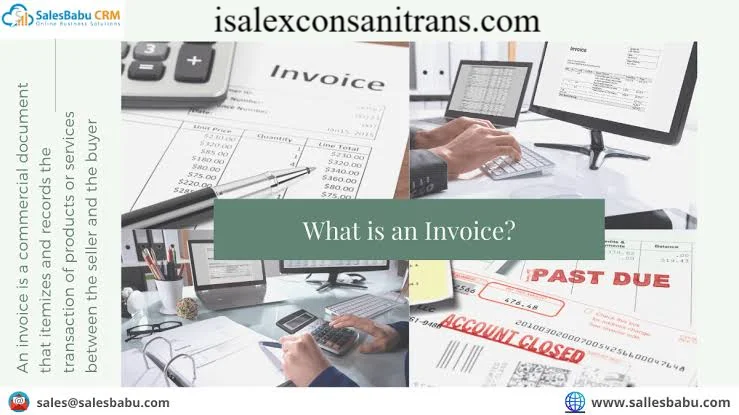
An invoice is a business document that tells a customer how much they owe for goods or services and when payment is expected. It normally identifies the seller and customer, describes what was provided, shows the amount due, and explains the payment terms.
For businesses, invoicing is more than sending a request for money. Proper invoices can support accounts receivable, payment tracking, financial records, cash flow management, and tax documentation. In the United States, the IRS also recognizes invoices and other supporting documents as records businesses may use to substantiate transactions and tax-related information.
What Is an Invoice Used For?
An invoice is primarily used to formally request payment after a business provides goods or services. It gives the customer a written record of what was purchased, how much it costs, and when the payment is due.
A typical business billing process may look like this:
- A customer orders goods or agrees to a service.
- The business provides the goods or completes the agreed work.
- The seller prepares an invoice.
- The invoice is sent to the customer.
- The customer reviews the line items and payment terms.
- Payment is made using an accepted payment method.
- The business records the payment and updates its accounts receivable.
An invoice therefore connects sales activity with accounting. It can help a company determine which customers have paid, which balances remain outstanding, and how much revenue is expected.
Why Are Invoices Important?
Well-organized invoices can help businesses:
- Track customer payments
- Monitor outstanding balances
- Maintain financial records
- Support accounts receivable
- Organize sales transactions
- Improve payment tracking
- Manage cash flow
- Document goods and services provided
- Support tax and accounting records
- Identify late payments
- Reduce misunderstandings about pricing
The IRS says businesses should maintain records that clearly show income and expenses, and invoices can serve as supporting documents for business transactions.
What Does an Invoice Include?
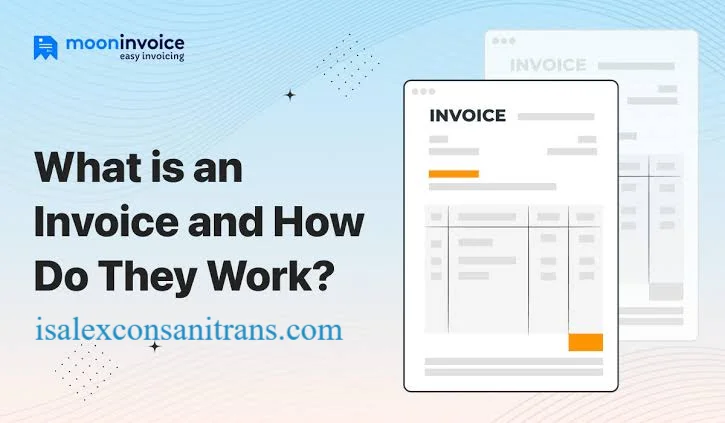
There is no single design that every business must use. However, a useful invoice should contain enough information for the customer and accounting team to understand exactly what is being charged.
Common invoice elements include:
| Invoice Element | Purpose |
|---|---|
| Business name | Identifies the seller |
| Customer information | Identifies who must pay |
| Invoice number | Provides a unique tracking reference |
| Invoice date | Shows when the invoice was issued |
| Due date | Shows when payment is expected |
| Line items | Describes each product or service |
| Quantity | Shows how many units were supplied |
| Price | Shows the cost per item or service |
| Subtotal | Shows the amount before applicable taxes or adjustments |
| Taxes | Shows applicable sales or other taxes |
| Amount payable | Shows the total amount due |
| Payment terms | Explains when and how payment should be made |
| Payment methods | Tells the customer how to pay |
| Notes | Provides additional instructions or information |
Invoice Number
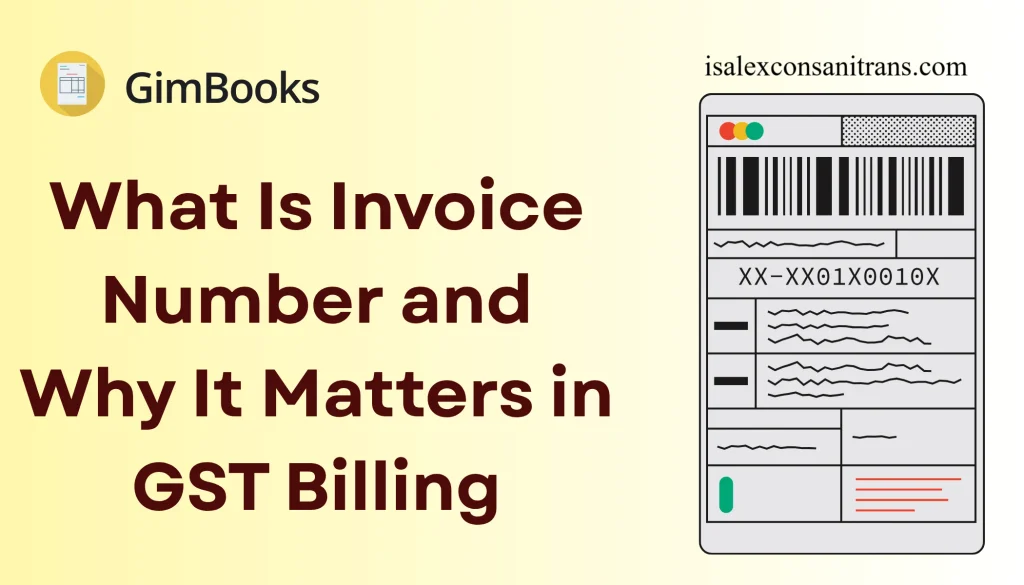
An invoice number is a unique identifier assigned to an invoice. Businesses use invoice numbers to organize records and quickly locate individual transactions.
For example, a company might use numbers such as:
- INV-1001
- INV-1002
- INV-1003
A consistent numbering system becomes especially useful as the number of customers and transactions grows.
Invoice Date and Due Date
The invoice date is the date the invoice is issued. The due date is the date by which the seller expects payment.
For example, an invoice issued on September 18 with payment due on October 18 gives the customer a one-month payment period.
The invoice should make these dates easy to identify so there is little confusion about the payment schedule.
Line Items and Amount Payable
Line items provide a detailed breakdown of what the customer is being charged for.
For example:
- Website design — 1 × $1,000
- SEO research — 1 × $300
- Content writing — 5 × $100
The invoice can then show the subtotal, applicable taxes or adjustments, and final amount payable.
How Does an Invoice Work?
An invoice works as part of a larger sales and accounting process.
Imagine a small U.S. marketing agency completes a $2,000 project for a client. After the agreed work is delivered, the agency creates an invoice showing the services provided, the $2,000 charge, the issue date, the due date, and accepted payment methods.
The client receives the invoice and pays according to the agreed terms. The agency then records the transaction and payment in its accounting system.
If payment does not arrive by the due date, the invoice becomes an outstanding or overdue invoice. Depending on the original agreement, the business may send a reminder, apply a permitted late fee, or pursue other collection options.
How to Create an Invoice
Creating an invoice does not have to be complicated. A basic process is:
- Add your business information. Include your business name and appropriate contact details.
- Identify the customer. Clearly state who is responsible for payment.
- Assign an invoice number. Use a unique reference for tracking.
- Add the invoice date. Record when the document was issued.
- Set the due date. Clearly state when payment is expected.
- Describe the goods or services. Use clear line items.
- Add quantities and prices. Make calculations easy to verify.
- Calculate the subtotal and applicable taxes.
- Show the final amount payable.
- Explain payment terms and methods.
- Review the information. Check names, amounts, dates, and payment instructions.
- Send the invoice. A PDF invoice or electronic invoice can be convenient for digital transactions.
An invoice template can make this process faster because frequently used fields can be reused for future customers.
Invoice Format and Digital Invoicing
Traditional invoices were often printed and mailed. Today, many businesses create and send invoices electronically.
A digital invoice may be created using accounting software, invoicing platforms, spreadsheets, or other business tools and then delivered electronically.
Common formats include:
- PDF invoices
- Electronic invoices
- Online invoices
- Accounting-software invoices
- Automated recurring invoices
Electronic records can also simplify organization. The IRS states that electronic accounting and recordkeeping systems are subject to the same basic recordkeeping principles as paper records and should provide complete and accurate business records.
Invoice Software and Automation
Invoice software can automate repetitive parts of billing. Depending on the platform, features may include:
- Invoice templates
- Automatic invoice numbering
- Recurring billing
- Payment reminders
- Payment tracking
- Customer records
- Online payment options
- Reporting
- E-signature integrations
- Accounting integrations
Invoice automation can be particularly useful for businesses that send a large number of invoices every month.
Types of Invoices
Different transactions call for different invoice formats. The following are common types businesses may encounter.
Standard Invoice
A standard invoice is the basic document used to request payment for goods or services already provided or being billed under an agreed arrangement.
It generally includes the customer, products or services, quantities, prices, taxes where applicable, total amount, and payment terms.
Proforma Invoice
A proforma invoice is generally used before a transaction is finalized. It provides an estimate or proposed breakdown of expected goods, services, costs, and terms.
Unlike a normal invoice requesting payment for a completed transaction, a proforma invoice is commonly used to communicate expected transaction details before the final billing stage.
Interim Invoice
An interim invoice is issued during a longer project rather than waiting until everything is completed.
For example, a construction or consulting project lasting several months might use milestone-based billing. The business could invoice the customer after agreed stages of the project are completed.
Recurring Invoice
A recurring invoice is automatically or regularly issued for repeat charges.
It is common for businesses providing:
- Monthly consulting
- Software subscriptions
- Maintenance services
- Retainer services
- Memberships
Recurring billing can reduce manual work while making the billing cycle more predictable.
Final Invoice
A final invoice is issued when a project, order, or engagement reaches its final billing stage.
It should accurately reflect the actual goods or services provided and any approved changes from earlier estimates or interim invoices.
Overdue Invoice
An overdue invoice is an invoice whose payment deadline has passed without payment being received.
Businesses may use payment reminders or collection procedures when invoices become overdue. If late fees or interest are part of the agreement and applicable law, those terms should be clearly communicated rather than introduced unexpectedly.
Invoice vs Bill vs Receipt
The terms invoice, bill, and receipt are sometimes used interchangeably in everyday conversation, but they serve different purposes.
| Document | Main Purpose |
|---|---|
| Invoice | Requests payment and explains what is owed |
| Bill | Commonly refers to an amount owed for goods or services |
| Receipt | Confirms that payment has been made |
For example, a freelancer may send an invoice after completing a website project. Once the client pays, the business can provide a receipt confirming payment.
The exact terminology can vary between industries and countries, so context matters.
How Invoice Payment Terms Work
Payment terms explain when and how a customer should pay.
Common terms may include:
- Due on receipt
- Net 15
- Net 30
- Net 60
- Installment payments
- Milestone payments
For example, Net 30 generally means payment is due 30 days after the applicable invoice date, although businesses should clearly define their terms to avoid ambiguity.
A good invoice should also identify accepted payment methods, such as:
- Bank transfer
- Credit or debit card
- ACH
- Online payment platform
- Check
Businesses should also state any applicable late-payment policy in their agreement or invoice terms.
How Invoices Help Cash Flow
Invoices can have a direct operational role in cash flow management because they establish what customers owe and when payments are expected.
A business with $50,000 in unpaid invoices may have substantial sales on its books but still face a cash shortage if customers do not pay on time.
That is why businesses should monitor:
- Total invoices issued
- Amount collected
- Outstanding invoices
- Overdue invoices
- Average payment time
- Expected upcoming payments
Good records can also help businesses prepare financial statements and identify sources of income. The IRS notes that organized records can help businesses monitor progress, prepare financial statements, track income and expenses, and prepare tax returns.
Best Practices for Better Invoicing
A few simple habits can make invoicing more efficient:
Send invoices promptly
Waiting weeks to invoice can delay the entire payment cycle. Send the invoice according to the agreement and as soon as the relevant billing milestone is reached.
Make charges easy to understand
Use specific descriptions instead of vague entries such as “services.”
Keep invoice numbers consistent
A logical numbering system makes payment tracking and accounting easier.
State payment terms clearly
Customers should not have to search through emails to discover when payment is due.
Follow up on overdue balances
A polite reminder can help resolve missed payments before they become larger collection problems.
Keep supporting records
Invoices should be retained with other relevant business documents. The IRS says supporting documents such as invoices and receipts help substantiate business transactions and tax-return entries.
Frequently Asked Questions
What Is an Invoice Used For?
An invoice is used to formally request payment for goods or services and document the details of the transaction. It can also support accounting, accounts receivable, payment tracking, and business recordkeeping.
What Does an Invoice Include?
A typical invoice includes seller and customer information, an invoice number, invoice date, due date, line items, quantities, prices, applicable taxes, total amount payable, payment terms, and payment methods.
Invoice Format and Details
There is no universal invoice layout for every business. However, a good format should make the seller, customer, transaction details, amount due, and payment deadline easy to identify.
What Are the Main Types of Invoices?
Common types include standard, proforma, interim, recurring, final, and overdue invoices. The appropriate type depends on the transaction and billing arrangement.
What Is a Standard Invoice?
A standard invoice is a normal request for payment that details goods or services provided and the amount the customer owes.
What Is a Proforma Invoice?
A proforma invoice provides proposed or estimated transaction details before the final sale or billing stage. It is generally different from a final invoice requesting payment.
What Is an Interim Invoice?
An interim invoice is issued during an ongoing project, often after an agreed milestone or according to a payment schedule.
What Is a Recurring Invoice?
A recurring invoice is issued at regular intervals for repeat services or charges, such as monthly subscriptions or retainers.
What Is a Final Invoice?
A final invoice represents the final billing for a completed project, order, or engagement and should reflect the actual agreed charges.
What Is an Overdue Invoice?
An overdue invoice is one that has passed its payment deadline without the required payment being received.
Invoice vs Bill vs Receipt: What Is the Difference?
An invoice generally requests payment, a bill commonly describes an amount owed, and a receipt confirms that payment has already been made.
How Do Invoice Payment Terms Work?
Payment terms specify when payment is due and may also explain accepted payment methods, installment arrangements, or applicable late-payment provisions.
How Do Invoices Help Cash Flow?
Invoices help businesses track amounts owed and expected payment dates. Monitoring outstanding and overdue invoices can give businesses a clearer picture of incoming cash.
Does an Invoice Mean You Have to Pay?
An invoice is a request for payment based on an underlying transaction or agreement. Whether a particular invoice creates a legally enforceable obligation depends on the contract, transaction, applicable law, and circumstances. Businesses should not assume that simply labeling a document an “invoice” automatically determines its legal effect.
Is an Invoice a Bill or Receipt?
An invoice is generally different from a receipt. An invoice requests payment, while a receipt normally confirms that payment has been received.
Is an Invoice a Receipt?
No. An invoice and receipt serve different purposes. An invoice communicates what is owed; a receipt documents payment that has already been made.
How Can Businesses Track Invoices?
Businesses can track invoices using accounting or invoice software, spreadsheets, or other recordkeeping systems. Important statuses include issued, paid, partially paid, outstanding, and overdue.
How Can Invoices Support Tax Records?
Invoices can serve as supporting business documents. In the United States, the IRS advises businesses to maintain records that support income, expenses, and information reported on tax returns.
Final Takeaway
An invoice is much more than a document showing a price. It is an important part of the business billing and accounting process, helping sellers communicate charges, establish payment expectations, track customer balances, and maintain financial records.
Whether you are a freelancer sending your first invoice or an established company managing thousands of transactions, the basic principle remains the same: make the invoice accurate, clear, easy to understand, and easy to pay.
For U.S. businesses, invoices can also form part of the supporting documentation used to maintain accurate business records. The IRS emphasizes that businesses need records that clearly show income and expenses and support information reported on tax returns.
The right invoice process can therefore improve more than billing. It can make payment tracking easier, reduce confusion, strengthen accounting workflows, and give business owners a clearer view of their financial position.
Author Bio: Hamid Ali is a business and finance writer focused on accounting, invoicing, digital payments, and small-business topics. He creates clear, research-based content that helps readers understand financial processes and make informed business decisions.
Also Read:

[…] What Is an Invoice? […]