Introduction
The FIFA World Cup 2026 is set to be one of the biggest sporting events in history, bringing millions of football fans together across the United States, Canada, and Mexico. Planning your trip early can make the difference between a smooth, unforgettable experience and a stressful journey filled with expensive mistakes. From choosing the best travel routes and finding affordable accommodation to understanding ticket options and avoiding common tourist errors, every detail matters.
This FIFA World Cup 2026 Travel Guide covers everything you need to know before heading to the tournament. Whether you are traveling between host cities, attending multiple matches, or experiencing the World Cup atmosphere for the first time, these practical tips will help you save money, manage your schedule, and enjoy the biggest football celebration on the planet without unnecessary problems.
Understanding the 2026 World Cup Format
Before booking anything, you need to understand how this expanded tournament works. The format change affects your planning significantly.
The Historic Three-Country Setup
The 2026 World Cup spreads across the United States, Canada, and Mexico simultaneously. The USA hosts the majority of matches with 11 venues. Canada contributes two cities. Mexico hosts three cities. This geographic spread means your travel strategy depends heavily on which teams and matches you prioritize.
The tournament features 48 teams instead of the traditional 32. This expansion adds more group stage matches and creates additional rounds. More games mean more opportunities to attend matches, but also more complexity in scheduling your trip around multiple venues.
The final takes place at MetLife Stadium in East Rutherford, New Jersey, serving the New York metropolitan area. This iconic venue will host the tournament’s most celebrated moment. If attending the final is your dream, planning around the New York area makes strategic sense.
Match Schedule Basics
Group stage matches run from mid-June through late June 2026. Knockout rounds begin in early July, with the final scheduled for mid-July. The tournament spans approximately five weeks, though most fans plan shorter trips focused on specific matches or locations.
Understanding the schedule helps you identify the sweet spot between group stage affordability and knockout stage excitement. Group stage tickets cost less and guarantee specific team matchups. Knockout matches deliver higher stakes but require qualifying teams, making planning less predictable.
I’d personally recommend planning around at least one group stage match featuring a team you genuinely support, then one open-bracket knockout round ticket. This combination gives you guaranteed team connection plus unpredictable drama.
Host Cities Complete Breakdown
Choosing which cities to visit is your most important planning decision. Each city offers distinct atmospheres, costs, and logistical considerations.
US Host Cities
New York/New Jersey hosts the final and several high-profile matches at MetLife Stadium. The New York metropolitan area offers world-class restaurants, entertainment, and fan zones. Accommodation costs are highest here, but the experience is unmatched. Book accommodation six to twelve months in advance minimum.
Los Angeles at SoFi Stadium delivers California sunshine, beach culture, and a diverse international fan scene. LA typically has strong Latin American football culture, so matches involving Mexico, Argentina, or Brazil will create spectacular atmospheres. Traffic is notoriously challenging, so plan extra transportation time.
Dallas at AT&T Stadium in Arlington offers more affordable accommodation than coastal cities. The stadium is enormous and air-conditioned, a genuine blessing during Texas summer heat. Dallas has excellent transportation infrastructure and a growing food scene.
San Francisco Bay Area hosts matches at Levi’s Stadium in Santa Clara. The Bay Area offers stunning natural beauty alongside world-class technology culture. Accommodation is expensive but the overall experience is excellent. Consider staying in San Jose rather than San Francisco to reduce costs.
Miami brings tropical energy and a massive Latin American football following. Hard Rock Stadium will be electric for any match involving South American or Central American teams. Summer heat and humidity are intense, so prepare accordingly.
Atlanta, Seattle, Boston, Philadelphia, Kansas City, and Houston round out the US host cities. Each offers distinct regional character and fan experiences. Atlanta and Houston provide more affordable options. Seattle offers beautiful Pacific Northwest settings. Boston and Philadelphia deliver passionate sports cultures. SOURCE: Encyclopedia britannica
Canadian Host Cities
Toronto at BMO Field brings one of North America’s most multicultural cities to the World Cup stage. Toronto’s incredible diversity means you’ll encounter passionate fans representing nearly every competing nation. The city’s food scene is exceptional. Public transportation is reliable and affordable.
Vancouver offers perhaps the most visually stunning backdrop of any host city. Surrounded by mountains and ocean, Pacific BC Place Stadium provides spectacular views. Vancouver’s Asian-influenced culture creates unique fan experiences. Summer weather is typically pleasant compared to other host cities.
Mexican Host Cities
Mexico City at Estadio Azteca brings legendary football history to 2026. The Azteca is one of football’s most sacred venues, having hosted two World Cup finals previously. The altitude at 2,240 meters above sea level affects both players and spectators. Acclimatize for a day before match day if possible.
Guadalajara at Estadio Akron offers more accessible logistics than Mexico City with genuine Mexican football culture. The city is considered one of Mexico’s most authentically Mexican destinations. Costs are lower than Mexico City, and the fan atmosphere is spectacular.
Monterrey at Estadio BBVA delivers industrial city energy with passionate northern Mexican football culture. The stadium is modern and impressive. Monterrey has improved dramatically in terms of tourism infrastructure, making it more accessible than previous years.
Securing Your Tickets
Tickets represent the single most important element of your FIFA World Cup 2026 travel guide planning. Without tickets, everything else becomes meaningless.
Official Ticket Sales Process
FIFA controls official ticket sales through their official platform exclusively. Registration for ticket ballots typically opens well before the tournament. You create an account, register your interest, and enter ballots for specific matches.
The ballot system means demand for popular matches far exceeds supply. Matches involving Brazil, Argentina, England, France, and Germany sell out instantly. Less prominent group stage matches involving smaller nations offer better odds of success.
Check FIFA’s official website regularly for sale phases. Multiple sales rounds occur including initial ballots, resales, and last-minute availability. Setting reminders for each sale phase maximizes your chances.
Prices vary by match category and seating section. Group stage matches start more affordably. Final and semifinal tickets command premium prices. Category 4 tickets designated for fans of qualifying nations sometimes offer better value within specific national allocations.
Avoiding Ticket Scams
The World Cup attracts sophisticated ticket fraud operations. Thousands of fans get scammed every tournament despite best efforts. Protecting yourself requires discipline and skepticism.
Only purchase from FIFA’s official platform, official team federation allocations, or FIFA-authorized resellers. Any other source carries significant fraud risk. If a deal seems too good to be true, it absolutely is.
Verify any third-party seller through FIFA’s authorization list if you’re considering authorized resale platforms. Keep all purchase records and correspondence. Use credit cards for any purchase, which provides chargeback protection if fraud occurs.
Never pay via wire transfer or cryptocurrency for tickets. These payment methods offer zero fraud protection. Legitimate sellers accept standard credit card payments through secure platforms.
Accommodation Strategy
Finding good accommodation at reasonable prices during the World Cup requires planning that most fans leave too late.
Booking Timeline
Start your accommodation search the moment you confirm tickets or feel confident you’ll attend. Twelve months in advance is not excessive for World Cup travel. The best options disappear quickly as the tournament approaches.
Look beyond the immediate stadium area. Hotels within walking distance command massive premiums. A hotel 20 to 30 minutes away by public transit or rideshare might cost 50 to 70 percent less while delivering a perfectly comfortable experience.
Accommodation Types to Consider
Hotels offer convenience and reliability but represent the most expensive option. Boutique hotels away from tourist centers often provide better value than international chains near stadiums.
Vacation rentals through established platforms can provide excellent value for groups traveling together. Splitting a three-bedroom apartment among six fans reduces individual costs dramatically while providing kitchen facilities to save money on meals.
Hostels work well for solo travelers or budget-conscious fans. World Cup hostels develop great social atmospheres as fellow fans gather. Many lifetime friendships start in World Cup hostel common rooms.
Home-sharing arrangements sometimes emerge from fan communities online. Locals offer spare rooms to visiting fans, often creating uniquely authentic local experiences. These arrangements require extra trust and verification but can be wonderful.
Cities to Consider as Base Camps
Rather than staying in expensive central locations, consider strategic base camp cities. Staying in Newark or Newark-adjacent areas reduces New York World Cup costs significantly. Fort Worth provides better value than Dallas itself. Oakland or San Jose beats San Francisco pricing for Bay Area matches.
For multi-city itineraries, consider the travel time between venues carefully. Flying between US cities adds costs and scheduling complexity. Choosing venues within driving or easy transit distance can simplify your experience.
Budgeting Your World Cup Trip
The FIFA World Cup 2026 travel guide wouldn’t be complete without honest budget discussion. Costs vary enormously depending on choices, but realistic planning prevents financial stress.
Budget Categories to Plan For
Create separate budget allocations for these essential categories:
Flights and transportation typically represent 25 to 35 percent of total trip costs. Booking flights early and considering less central airports saves money. Train travel between closer cities can be more affordable than flying.
Accommodation usually represents 30 to 40 percent of budget. Applying the strategies above reduces this significantly. Every night saved through smart booking helps.
Match tickets vary from a few hundred dollars for modest group stage seating to several thousand for premium knockout round seats. Budget honestly for what you actually want.
Food and entertainment adds up faster than most travelers expect. World Cup host cities inflate prices during the tournament. Budget 20 to 30 percent more than you’d normally spend in those cities.
Transportation within cities includes public transit, rideshares, and occasional taxis. Many host cities offer special World Cup transportation packages worth researching.
Budget Levels
A genuine budget trip focusing on group stage matches, hostel accommodation, and careful food choices might cost $3,000 to $5,000 for two weeks. This requires discipline but is absolutely achievable.
Mid-range trips with hotel accommodation, a mix of group stage and knockout matches, and comfortable dining typically run $7,000 to $12,000 for two weeks.
Premium experiences with top hotel accommodation, multiple premium knockout matches, and fine dining can exceed $20,000 easily. The World Cup offers luxury experiences for those seeking them.
Navigating Between Host Cities
Moving between host cities efficiently is crucial for fans attending multiple matches.
Air Travel Within North America
The USA’s domestic flight network is extensive but can be expensive during peak tournament periods. Book flights between US cities simultaneously with your accommodation when possible. Price fluctuations are significant, and early booking saves substantially.
Canadian cities connect to US cities through multiple daily flights. Border crossing for air travel requires standard passport and visa documentation. Allow extra time for international connections.
US to Mexico connections operate frequently from most US host cities. Mexico City, Guadalajara, and Monterrey have strong air connections with American hub airports.
Ground Transportation Options
Driving between certain host city pairs makes sense depending on your itinerary. The Dallas to Houston corridor, for instance, is a manageable four-hour drive that avoids flight hassle and costs.
Amtrak connects several US host cities through the Northeast Corridor, offering a comfortable alternative between Boston, New York, and Philadelphia. Rail travel is slower but often more relaxed than airport experiences.
Bus services between nearby cities can be surprisingly comfortable and affordable. Research options between specific city pairs on your itinerary before automatically defaulting to flights.
Fan Zones and Matchday Experience
Your World Cup experience extends far beyond the stadium itself. Fan zones and matchday culture deserve equal attention.
Official FIFA Fan Festivals
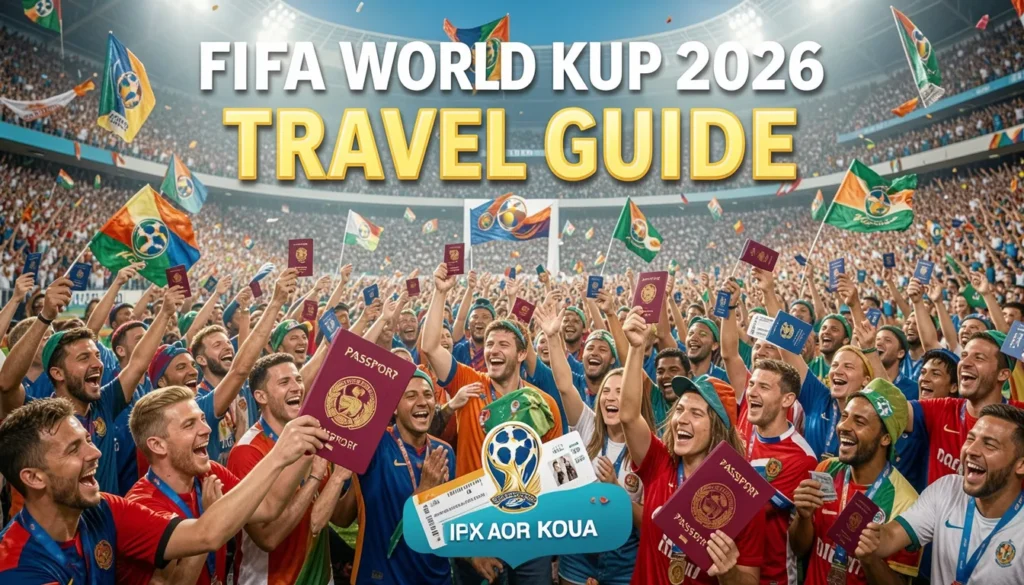
FIFA establishes official Fan Festivals in each host city. These free-entry zones feature giant screens for watching all matches, food and beverage vendors, merchandise, cultural exhibitions, and entertainment. Even fans without match tickets enjoy World Cup atmosphere at Fan Festivals.
Fan Festivals become spontaneous celebration spaces after victories and community gathering points throughout the tournament. Some of my most memorable World Cup moments have happened in fan zones rather than stadiums, surrounded by thousands sharing the same emotional experience.
Arrive early at Fan Festivals for popular matches. Capacity limits mean late arrivals sometimes cannot enter. The atmosphere inside builds as match time approaches, and being present from the start enhances the experience.
Matchday Logistics
Arrive at stadiums at least two to three hours before kickoff. Security lines, particularly at US venues with enhanced protocols, move slowly during major events. Missing kickoff because of security queues is a genuinely heartbreaking experience.
Study the specific stadium’s transportation options before match day. Many World Cup venues encourage public transit over personal vehicles. Parking is typically expensive, limited, and creates massive post-match delays.
Wear your team colors proudly. Matchday fashion is part of the celebration. You’ll find yourself photographed by strangers, welcomed into conversations, and sharing moments with fans from dozens of countries. This social magic happens because everyone wears their hearts on their sleeves.
Practical Travel Essentials
Smart preparation prevents avoidable problems during your World Cup adventure.
Visa and Entry Requirements
US citizens attending matches in Canada or Mexico need valid passports but typically don’t require visas for tourist visits. However, requirements change and vary by nationality. Verify current requirements for every country you plan to visit at least three months before departure.
International visitors to the US need to research visa requirements specific to their nationality. Popular visiting nations from Europe typically use the ESTA Visa Waiver Program. South American and African nations often require full visa applications. Start this process early as processing times vary.
Some fans plan their itinerary around minimal border crossings to reduce visa complexity. If you’re only attending US-based matches, this simplifies requirements considerably.
Health and Safety
Travel insurance is absolutely essential for World Cup trips. Medical emergencies, cancellations, lost luggage, and trip interruptions become far more manageable with proper coverage. Comprehensive travel insurance typically costs two to eight percent of total trip value.
Summer heat in several host cities presents genuine health risks. Dallas, Houston, Miami, and Mexican host cities experience intense heat during June and July. Hydrate consistently, seek shade when possible, and listen to your body. Heatstroke ruins World Cup experiences faster than anything else.
Maintain situational awareness in unfamiliar cities. Large sporting events attract pickpockets and opportunists alongside legitimate fans and visitors. Use hotel safes for passports and excess cash. Carry photocopies of important documents separately from originals.
Technology and Connectivity
Download offline maps for every city you’ll visit before arriving. Cellular connectivity is sometimes overwhelmed near stadiums during matches. Offline navigation saves you when networks struggle.
Purchase local SIM cards or international data plans before you need them. Being without connectivity in an unfamiliar city during a major event creates unnecessary stress. Research carrier options for each country on your itinerary.
FIFA’s official app provides match schedules, venue information, and official ticket management. Keep it updated and learn its features before the tournament begins.
Cultural Tips for Each Country
Respecting local culture enhances your experience and earns you genuine warmth from locals.
American Fan Culture
Americans love sports but may be less familiar with football culture than South American or European fans. Don’t expect everyone to know your team’s chants or history. Embrace the education opportunity. Americans are generally warm and hospitable once they sense genuine enthusiasm.
Tipping culture is strong in the US. Budget 18 to 20 percent on top of restaurant prices. Not tipping is genuinely considered rude and affects service workers’ livelihoods.
Canadian Hospitality
Canadians are famously polite and welcoming. Toronto and Vancouver have enormous multicultural football followings. You’ll likely encounter fans from your own nation’s diaspora community, which creates beautiful connections between traveling supporters and local communities.
Mexican Football Passion
Mexico has one of the world’s most passionate football cultures. Attending a match in Mexico City, Guadalajara, or Monterrey means experiencing football at its most emotionally intense. Embrace the color, noise, and passion. Mexican football culture is extraordinary.
Learning a few Spanish phrases goes a long way in Mexican host cities. Locals deeply appreciate any effort to communicate in their language, however imperfect.
Conclusion
The FIFA World Cup 2026 travel guide journey starts with a dream and becomes reality through careful planning. This historic tournament across three countries offers something extraordinary for every type of fan. Whether you’re planning a single match experience or a multi-city adventure following your nation across the continent, the 2026 World Cup will create memories lasting a lifetime.
Start planning immediately. Secure tickets through official channels the moment they become available. Book accommodation early and use the strategic approaches outlined here to manage costs. Research visa requirements well in advance. Build a realistic budget that accounts for all expense categories.
The 2026 FIFA World Cup is a once-in-a-generation event. The expanded format, historic multi-country setup, and unique North American settings create something genuinely unprecedented in football history. You deserve to experience it properly.
What host city are you most excited to visit during the 2026 World Cup? Share your plans with fellow fans and inspire others to make this once-in-a-lifetime trip happen.
Frequently Asked Questions
When does the FIFA World Cup 2026 start and end?
The FIFA World Cup 2026 begins in mid-June 2026 and concludes with the final in mid-July 2026. The tournament runs approximately five weeks, covering group stage, round of 32, round of 16, quarterfinals, semifinals, third-place match, and the final at MetLife Stadium in New Jersey.
Do I need a visa to attend World Cup matches in all three host countries?
Visa requirements depend entirely on your nationality. US, Canadian, and Mexican citizens have relatively straightforward entry into each other’s countries. International visitors must research requirements for each country they plan to visit separately, as rules vary significantly by nationality. Start this process at least three to four months before travel.
Where can I buy official FIFA World Cup 2026 tickets?
Official tickets are sold exclusively through FIFA’s official ticketing platform. Authorized resale platforms are listed on FIFA’s official website. Avoid any third-party sellers not listed as FIFA-authorized to protect yourself from fraud. Set up your FIFA account early and monitor all sales phases.
Which World Cup 2026 host city is most affordable for fans?
Dallas, Houston, Kansas City, and Atlanta generally offer more affordable accommodation and living costs compared to New York, San Francisco, and Los Angeles. Mexican host cities can be very affordable for accommodation and food, though you should factor in additional travel costs and visa requirements.
How far in advance should I book accommodation for World Cup 2026?
Book accommodation as soon as you confirm your match attendance, ideally six to twelve months in advance for popular venues. New York, San Francisco, and Los Angeles will see the earliest sellouts. Less prominent host cities may offer more availability but still benefit from early booking.
Is it safe to travel to all 2026 World Cup host cities?
All 16 host cities are considered safe destinations for international tourists with normal precautions. Large events attract opportunistic crime, so maintain situational awareness, secure valuables, and use common sense. Research specific neighborhood safety when choosing accommodation. US State Department and equivalent agencies provide current safety assessments for Mexican cities.
What is the best way to travel between US World Cup host cities?
It depends on the cities you’re connecting. The Northeast Corridor between Boston, New York, and Philadelphia suits rail travel well. Longer distances like New York to Dallas or Los Angeles require flights. Some pairs like Dallas and Houston can be driven comfortably. Research specific city pairs individually for the most cost-effective and convenient option.
Will there be activities for fans without match tickets?
Absolutely. FIFA Fan Festivals in every host city provide free-entry areas with giant screens, entertainment, food, and cultural experiences. Host cities develop extensive surrounding programs including fan parks, cultural events, and public screenings. You can enjoy World Cup atmosphere without ever entering a stadium.
How should I prepare for summer heat at outdoor World Cup venues?
Several host cities experience intense summer heat in June and July. Wear light, breathable clothing in team colors. Hydrate consistently throughout the day, not just at matches. Use sunscreen and hats. Plan outdoor activities during cooler morning or evening hours when possible. Stadiums like AT&T Stadium in Dallas offer air conditioning, which is enormously helpful.
Can I attend matches in multiple countries during one World Cup trip?
Yes, many fans plan multi-country itineraries. The key considerations are visa requirements, flight costs between countries, and scheduling around specific match dates. A common approach involves basing yourself in a US city with easy connections to Canadian or Mexican venues for specific matches rather than constantly moving between countries.
Author Bio
A passionate sports travel writer and football enthusiast who has attended three FIFA World Cups across multiple continents. Specializing in helping fans navigate the complex logistics of major international sporting events, the author combines firsthand tournament experience with comprehensive travel expertise. Dedicated to ensuring every fan can experience the magic of the World Cup regardless of budget or experience level.