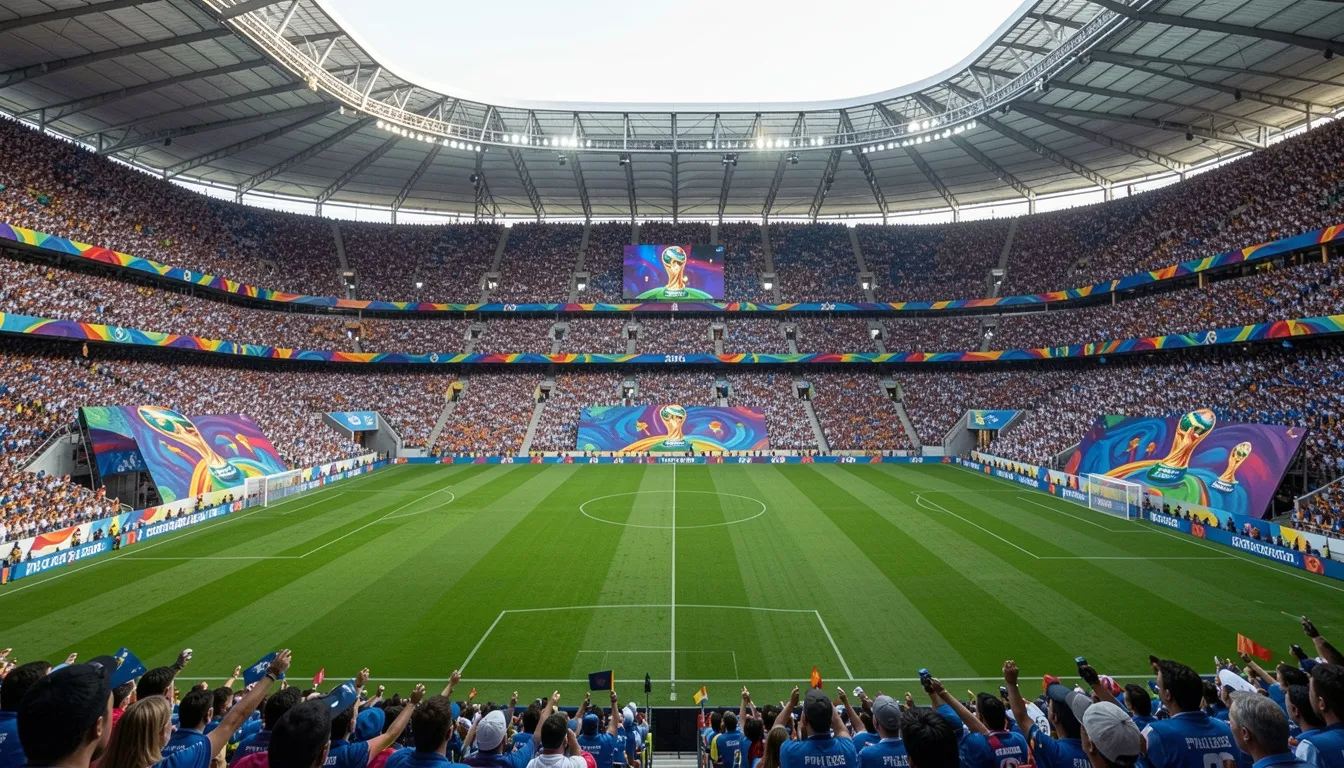
If you have ever dreamed of watching the World Cup live, 2026 is your year. The FIFA World Cup 2026 is not just another tournament. It is the biggest, boldest, and most geographically spread football event in history. For the first time ever, three nations — the United States, Canada, and Mexico — are co-hosting the men’s World Cup. The action stretches across 16 stunning stadiums in 16 host cities, covering four time zones and thousands of kilometers of North America.
From the iconic Estadio Azteca in Mexico City to the jaw-dropping MetLife Stadium in New Jersey, every single venue has a story worth knowing. Whether you are traveling to catch a match or watching from your couch at home, you want to know which stadiums will host the biggest games, which ones hold the most fans, and what makes each one special.
This article gives you the complete FIFA World Cup 2026 stadiums list, organized by country, with key details on capacity, location, and the matches scheduled there. Let us get into it.
Why the 2026 World Cup Is Unlike Anything Before It
Before diving into the stadiums, you need to understand the scale of this tournament. The 2026 FIFA World Cup will feature 48 national teams — up from 32 in previous editions — and will host a total of 104 matches. That is more games than any World Cup in history.
The combined seating capacity across all 16 venues exceeds one million seats, making it the largest total in tournament history. The USA hosts 11 of the 16 venues, including all knockout matches from the semifinals onward. Mexico hosts 3 venues, and Canada hosts 2. The tournament runs from June 11 to July 19, 2026 — 39 spectacular days of football.
All 16 FIFA World Cup 2026 Stadiums at a Glance
Here is a quick overview before we break each one down:
| # | Stadium (FIFA Name) | City | Country | Approx. Capacity |
|---|---|---|---|---|
| 1 | New York New Jersey Stadium (MetLife) | East Rutherford, NJ | USA | 82,500 |
| 2 | Dallas Stadium (AT&T Stadium) | Arlington, TX | USA | ~80,000 |
| 3 | Los Angeles Stadium (SoFi Stadium) | Inglewood, CA | USA | 70,240 |
| 4 | Atlanta Stadium (Mercedes-Benz Stadium) | Atlanta, GA | USA | 75,000 |
| 5 | Houston Stadium (NRG Stadium) | Houston, TX | USA | ~72,220 |
| 6 | San Francisco Bay Area Stadium (Levi’s Stadium) | Santa Clara, CA | USA | ~68,500 |
| 7 | Seattle Stadium (Lumen Field) | Seattle, WA | USA | ~68,740 |
| 8 | Kansas City Stadium (Arrowhead Stadium) | Kansas City, MO | USA | ~76,000 |
| 9 | Miami Stadium (Hard Rock Stadium) | Miami Gardens, FL | USA | 65,326 |
| 10 | Philadelphia Stadium (Lincoln Financial Field) | Philadelphia, PA | USA | ~69,796 |
| 11 | Boston Stadium (Gillette Stadium) | Foxborough, MA | USA | ~65,878 |
| 12 | Mexico City Stadium (Estadio Azteca) | Mexico City | Mexico | ~72,766 |
| 13 | Guadalajara Stadium (Estadio Akron) | Zapopan | Mexico | ~49,850 |
| 14 | Monterrey Stadium (Estadio BBVA) | Guadalupe | Mexico | ~53,500 |
| 15 | Toronto Stadium (BMO Field) | Toronto, ON | Canada | 45,000 |
| 16 | Vancouver Stadium (BC Place) | Vancouver, BC | Canada | 54,000 |
Note: FIFA assigns neutral geographic names to all stadiums during the tournament to remove commercial sponsor branding. Capacities reflect tournament configurations and may vary slightly.
United States Stadiums: 11 Venues, One Dominant Host
The USA is the engine of this World Cup. It hosts 11 stadiums, including the venue for the final, both semifinals, the third-place playoff, and the vast majority of knockout matches. Most of these venues are NFL stadiums — the most technologically advanced sports arenas in the world.
1. New York New Jersey Stadium (MetLife Stadium) — The Grand Finale Stage
Location: East Rutherford, New Jersey Capacity: ~82,500 Key Match: World Cup Final — July 19, 2026
This is the biggest stage of them all. MetLife Stadium hosts the 2026 FIFA World Cup Final. Opened in 2010, it is home to both the NFL’s New York Giants and New York Jets. It sits just outside New York City in East Rutherford, New Jersey — which means it carries the energy and prestige of one of the world’s great cities.
By FIFA’s tournament configuration, it is the largest venue in the competition at approximately 82,500 seats. If you want to witness the crowning moment of football’s greatest tournament, this is the place to be.
2. Dallas Stadium (AT&T Stadium) — The Colossus of Texas
Location: Arlington, Texas Capacity: ~80,000 Key Match: Semifinal — July 14, 2026
AT&T Stadium is home to the Dallas Cowboys and is widely known as the largest stadium in the NFL, with a listed capacity of 94,000. For World Cup purposes, FIFA configures it to around 80,000 seats. Locals sometimes call it “The Death Star,” and once you see the scale of the place, you will understand why.
It hosts one of the two 2026 World Cup semifinals, which makes it one of the most coveted match locations in the entire tournament.
3. Los Angeles Stadium (SoFi Stadium) — A $5 Billion Masterpiece
Location: Inglewood, California Capacity: ~70,240 Key Matches: Multiple group stage and knockout games; USA’s opening match
SoFi Stadium opened in 2020 and immediately became one of the most talked-about sports venues in the world. It cost more than $5 billion to build — making it the most expensive stadium ever constructed. It features a stunning translucent roof, open sides that allow natural airflow, and a massive 70,000-square-foot two-sided video board. It sits within an 8.5-million-square-foot entertainment complex with restaurants, shopping, and more.
The United States national team kicks off their 2026 World Cup campaign here, which instantly makes this one of the most emotionally charged venues of the tournament.
4. Atlanta Stadium (Mercedes-Benz Stadium) — The Dome of Perfection
Location: Atlanta, Georgia Capacity: ~75,000 Key Match: Semifinal — and multiple other fixtures
Mercedes-Benz Stadium is one of the most awarded sports venues in the world. Home to both the NFL’s Atlanta Falcons and MLS side Atlanta United FC, the stadium features a retractable roof and a visually stunning eight-panel design. For World Cup matches, FIFA expects a capacity of around 75,000. It hosts the second semifinal of the 2026 World Cup — giving Atlanta one of the tournament’s most important nights.
5. Houston Stadium (NRG Stadium) — Deep in the Heart of Football
Location: Houston, Texas Capacity: ~72,220 Key Matches: Seven matches including knockout games
Houston is a football-mad city. NRG Stadium is a retractable-roof venue known for hosting massive events, including multiple Super Bowls. It will stage seven matches during the 2026 World Cup, including key knockout fixtures. Portugal versus DR Congo is among the headline matchups scheduled here.
6. San Francisco Bay Area Stadium (Levi’s Stadium) — Silicon Valley Meets Football
Location: Santa Clara, California Capacity: ~68,500 Key Matches: Group stage and knockout fixtures
Levi’s Stadium is home to the San Francisco 49ers and sits in the heart of Silicon Valley. The Bay Area has a passionate soccer community, and the stadium is expected to deliver a vibrant atmosphere throughout the tournament.
7. Seattle Stadium (Lumen Field) — Where the Noise Never Stops
Location: Seattle, Washington Capacity: ~68,740 Key Matches: Multiple matches including US team group games
Lumen Field is officially recognized by Guinness World Records as the loudest stadium in the world. The unique enclosed design traps crowd noise and amplifies it to extraordinary levels. The United States men’s national team plays group stage matches here, which means the decibel levels during those games will likely be absolutely deafening. It also hosts Argentina matches, which guarantees an electric atmosphere.
8. Kansas City Stadium (Arrowhead Stadium) — Legendary Noise, Legendary Atmosphere
Location: Kansas City, Missouri Capacity: ~76,000 Key Matches: Group stage and knockout round fixtures
Arrowhead Stadium is the home of the Kansas City Chiefs and has a fierce reputation for electric atmosphere. The stadium sits in one of America’s most passionate sports cities and will bring that raw energy to the 2026 World Cup.
9. Miami Stadium (Hard Rock Stadium) — Sunshine Football
Location: Miami Gardens, Florida Capacity: ~65,326 Key Match: Third Place Match — July 18, 2026
Hard Rock Stadium is home to the Miami Dolphins and sits in sun-drenched South Florida. It hosts the Third Place Match on July 18, 2026 — the day before the final. Miami’s mix of beach culture, Latino energy, and football passion makes this venue one of the most culturally vibrant spots in the tournament.
10. Philadelphia Stadium (Lincoln Financial Field) — Football on Independence Day
Location: Philadelphia, Pennsylvania Capacity: ~69,796 Key Match: A knockout-round match on July 4, 2026
The City of Brotherly Love hosts a knockout match on the Fourth of July — Independence Day in the United States. That alignment of football and national celebration gives this fixture a completely unique atmosphere. Lincoln Financial Field is home to the NFL’s Philadelphia Eagles.
11. Boston Stadium (Gillette Stadium) — New England’s World Cup Moment
Location: Foxborough, Massachusetts Capacity: ~65,878 Key Matches: Multiple group stage fixtures
Gillette Stadium is undergoing renovations ahead of the 2026 tournament. Home to the New England Patriots in the NFL and the New England Revolution in MLS, the stadium hosted Women’s World Cup matches back in 2003. It now welcomes the men’s game on the grandest possible stage.
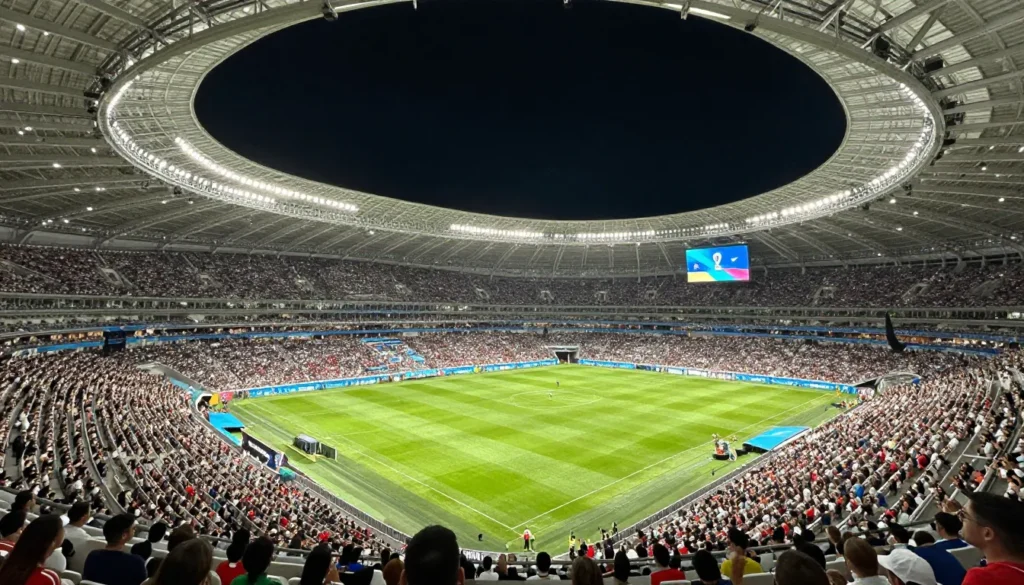
Mexico Stadiums: Three Cities, One Heartbeat of Football
Mexico brings the soul to this World Cup. The country has hosted two previous World Cup tournaments — in 1970 and 1986 — and its passion for football is unmatched in North America. The opening match of the entire 2026 tournament takes place on Mexican soil, which tells you everything about the respect FIFA holds for this footballing nation.
12. Mexico City Stadium (Estadio Azteca) — The Greatest Stage in Football History
Location: Mexico City, Mexico Capacity: ~72,766 Key Match: Opening match — June 11, 2026 (Mexico vs South Africa)
Estadio Azteca is the most famous football stadium in the Western Hemisphere and one of the most iconic sporting venues on Earth. It makes history in 2026 by becoming the first stadium ever to host three FIFA World Cup opening matches — in 1970, 1986, and now 2026. This is where Pelé lifted the Jules Rimet Trophy. This is where Diego Maradona scored both the Hand of God goal and the Goal of the Century against England in 1986. The weight of history in this stadium is simply unmatched.
Sitting at an altitude of approximately 2,240 meters above sea level, Azteca also presents a physical challenge for players. That adds yet another layer of drama to every match played here.
13. Guadalajara Stadium (Estadio Akron) — Mexico’s Modern Football Home
Location: Zapopan, near Guadalajara, Mexico Capacity: ~49,850 Key Matches: Group stage and a knockout-round fixture
Estadio Akron is one of the most modern stadiums in Mexico and serves as home to Club Deportivo Guadalajara, known as Chivas — one of the country’s most beloved clubs. The stadium’s modern design and passionate local fanbase will make it a loud and lively venue during the tournament.
14. Monterrey Stadium (Estadio BBVA) — Northern Mexico’s Football Cathedral
Location: Guadalupe, near Monterrey, Mexico Capacity: ~53,500 Key Matches: Group stage and a knockout-round fixture
Estadio BBVA is widely regarded as one of the finest stadiums in Latin America. Home of Club de Fútbol Monterrey, it features a stunning mountain backdrop that makes it one of the most visually dramatic venues in world football. The combination of world-class facilities and a breathtaking setting makes it a must-watch venue in 2026.
Canada Stadiums: Two Cities, One Historic Debut
Canada has never hosted a men’s FIFA World Cup match before. That changes in 2026. Toronto and Vancouver step onto the global stage for the very first time, and both cities are ready to deliver something special.
15. Toronto Stadium (BMO Field) — Canada’s Football Home Ground
Location: Toronto, Ontario, Canada Capacity: 45,000 Key Matches: Six matches, including Canada’s opening game vs Bosnia and Herzegovina (June 12)
BMO Field opened in 2007 and serves as home to MLS club Toronto FC and the CFL’s Toronto Argonauts. It is the most intimate of all 16 World Cup venues by capacity, but what it lacks in size it more than makes up for in atmosphere. This is where Canada qualified for the 2022 World Cup, beating Jamaica to end a 36-year absence from the tournament. The emotional connection between this stadium and the Canadian national team is powerful and deeply felt.
Canada opens their 2026 World Cup campaign here on June 12 against Bosnia and Herzegovina, which promises to be an unforgettable night for the host nation.
16. Vancouver Stadium (BC Place) — Where the Roof Literally Opens the World
Location: Vancouver, British Columbia, Canada Capacity: 54,000 Key Matches: Seven matches, including Canada vs Qatar (June 18) and two knockout fixtures
BC Place is genuinely one of the most architecturally impressive stadiums in this entire tournament. It holds the distinction of housing the world’s largest cable-supported retractable roof, which spans 100 meters by 85 meters across the field. The stadium underwent a major renovation ahead of the World Cup, including a $180 million upgrade that includes widening the playing surface to FIFA standards, installing a natural grass pitch, and adding new luxury suites.
BC Place previously hosted nine matches at the 2015 FIFA Women’s World Cup, including the final. Now it steps up to the men’s stage — and it is ready. Seven matches are scheduled here, including two of Canada’s group stage games and two knockout round fixtures.
The Natural Grass Rule: One Important Detail for Every Fan
You might have noticed that many of these venues — especially NFL stadiums — normally use artificial turf. FIFA has a strict rule: every 2026 World Cup match must be played on natural grass. That means venues like MetLife Stadium, AT&T Stadium, Mercedes-Benz Stadium, NRG Stadium, Lumen Field, Gillette Stadium, and BC Place are all installing temporary natural grass pitches for the tournament. This is a significant logistical undertaking, but FIFA considers it non-negotiable for player safety and match quality.
What Makes the 2026 Stadiums Special
A few things stand out across this extraordinary collection of venues:
Scale: The combined capacity of all 16 stadiums tops one million seats — the largest total in World Cup history.
Technology: Venues like SoFi Stadium and Mercedes-Benz Stadium represent the absolute cutting edge of stadium design and fan experience.
History: Estadio Azteca carries 56 years of World Cup legacy into 2026, becoming the only three-time World Cup host venue in history.
Diversity: You get everything from intimate atmospheres in Toronto to NFL mega-stadiums in Dallas and New York. No two venues feel the same.
Geography: The tournament stretches roughly 4,000 kilometers from Vancouver in the northwest to Miami in the southeast — a true continental showcase.
Conclusion: The World Cup Comes to North America in Style
The FIFA World Cup 2026 stadiums list is genuinely breathtaking. Whether it is the historic thunder of Estadio Azteca, the modern brilliance of SoFi Stadium, the record-setting size of MetLife, or the intimate first-ever World Cup buzz of BMO Field in Toronto — every single venue brings something unique to the table.
This is the World Cup you will be telling your grandchildren about. The scale, the variety, the history, and the passion all come together in a way we have simply never seen before. If you are lucky enough to have tickets, you are heading to one of the 16 most memorable football venues on the planet. And if you are watching from home, every single match promises a visual and emotional spectacle.
Which of these 16 stadiums excites you the most? Let us know in the comments below, and share this guide with a fellow football fan who is already planning their 2026 World Cup trip.
Frequently Asked Questions (FAQs)
Q1: How many stadiums are in the FIFA World Cup 2026? There are 16 stadiums hosting the 2026 FIFA World Cup across three countries — 11 in the USA, 3 in Mexico, and 2 in Canada.
Q2: Which stadium hosts the 2026 World Cup Final? MetLife Stadium in East Rutherford, New Jersey (officially called New York New Jersey Stadium during the tournament) hosts the final on July 19, 2026.
Q3: Which stadium hosts the opening match of the 2026 World Cup? Estadio Azteca in Mexico City hosts the opening match on June 11, 2026, between Mexico and South Africa.
Q4: What is the largest stadium in the 2026 World Cup? AT&T Stadium in Arlington, Texas (Dallas Stadium) has a listed capacity of around 94,000, making it the largest venue. MetLife Stadium has the largest FIFA-configured tournament capacity at approximately 82,500.
Q5: Which 2026 World Cup stadium has the most history? Estadio Azteca in Mexico City is the most historic venue. It becomes the first stadium ever to host three different FIFA World Cups — in 1970, 1986, and 2026.
Q6: Where are the 2026 World Cup semifinals being held? The two semifinals are at AT&T Stadium in Dallas (July 14) and Mercedes-Benz Stadium in Atlanta (July 15).
Q7: Where is the Third Place Match in 2026? Hard Rock Stadium in Miami Gardens, Florida hosts the Third Place Match on July 18, 2026.
Q8: Which is Canada’s first-ever men’s World Cup host stadium? Both BMO Field in Toronto and BC Place in Vancouver are making history as Canada’s first-ever men’s World Cup host venues.
Q9: Why are stadium names different during the World Cup? FIFA does not allow commercial sponsor names on stadiums during the tournament. So AT&T Stadium becomes Dallas Stadium, MetLife Stadium becomes New York New Jersey Stadium, and so on.
Q10: Will all 2026 World Cup stadiums have natural grass? Yes. FIFA requires natural grass for all matches. Several NFL venues that normally use artificial turf are installing temporary natural grass pitches for the tournament.
Read More…..
Author Bio
James Harrington is a sports journalist and football analyst with over a decade of experience covering international football tournaments, including multiple FIFA World Cups. He has written for leading sports publications across North America and Europe, with a special focus on tournament infrastructure, fan experience, and the business of football. James believes the World Cup is not just a sporting event — it is a cultural moment that connects billions of people, and he is passionate about helping fans experience it fully.