Introduction
Have you ever watched someone make Greek or Turkish coffee and wondered what that small metal pot with the long handle actually is? That pot is called a briki pot, and it has been used for centuries to brew some of the strongest and most flavorful coffee in the world. If you love coffee that feels rich, bold, and full of tradition, a briki pot might become your new favorite kitchen tool.
In this article, you will learn what a briki pot is, how it works, how to choose the right one, and how to brew perfect coffee with it every single time. We will also cover common mistakes, expert tips, and answers to the questions people ask most often about the briki pot.
What Is a Briki Pot?
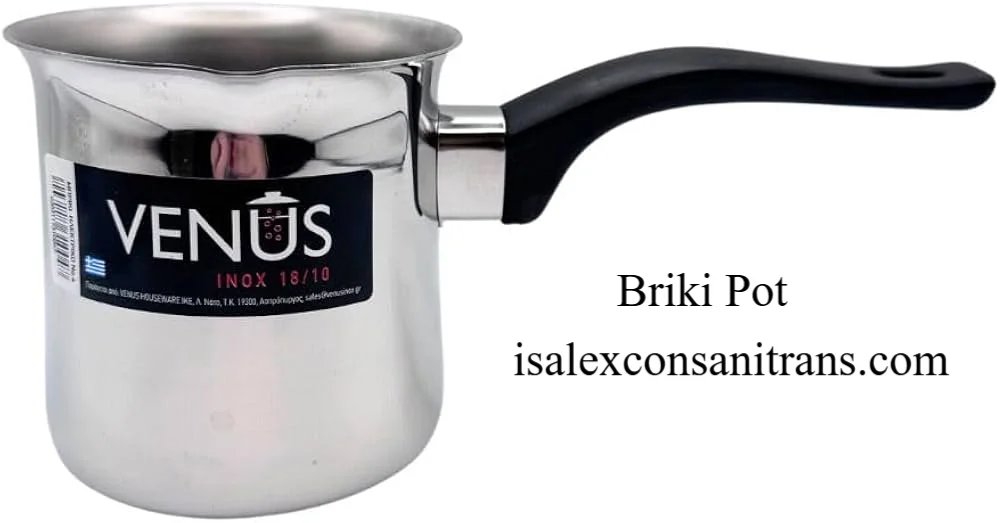
A briki pot is a small, narrow pot with a long handle, traditionally made from copper, brass, or stainless steel. It is used to brew Greek coffee and Turkish coffee, which are known for their thick texture and strong flavor. The narrow top of the briki pot helps the foam rise without spilling, which is a key part of a proper cup.
Unlike a regular coffee maker, the briki pot heats water and finely ground coffee together slowly. This slow process pulls out deep flavor and creates that signature foam layer coffee lovers search for.
Why People Love the Briki Pot
The briki pot has stayed popular for one simple reason. It produces coffee that machines simply cannot copy. Here is why so many households still keep one on the stove.
- It creates a thick, creamy foam called kaimaki
- It allows full control over strength and sweetness
- It requires no electricity or filters
- It works on gas, electric, and induction stoves depending on the material
- It connects you to a centuries old brewing tradition
I personally switched to a briki pot last year, and the difference in taste compared to instant coffee was surprising. The coffee felt heavier, richer, and more satisfying with every sip.
How to Choose the Right Briki Pot
Choosing a briki pot is not complicated once you know what to look for. Size, material, and handle design all affect your brewing experience.
Size Matters
Briki pots usually come in small, medium, and large sizes based on how many cups you want to brew. A single serving pot is perfect for one strong cup, while a larger pot suits families or guests.
Material Options
| Material | Heat Control | Durability | Best For |
|---|---|---|---|
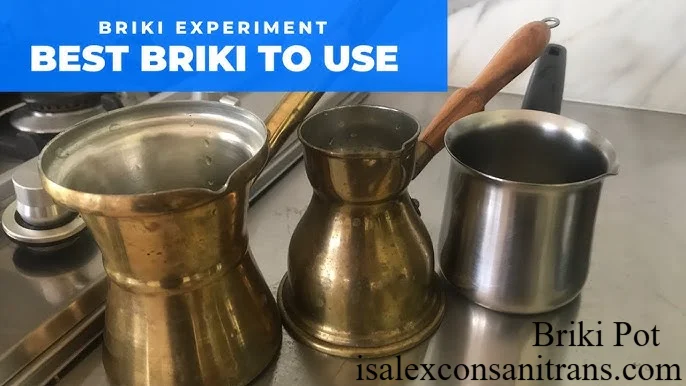
| Copper | Excellent | Moderate | Traditional flavor lovers |
| Brass | Good | High | Everyday home use |
| Stainless Steel | Good | Very High | Induction stoves |
Copper briki pots are praised by many coffee experts for even heat distribution, which helps control foam formation. Stainless steel versions are easier to maintain and work on almost any stovetop.
How to Brew Coffee in a Briki Pot
Brewing with a briki pot takes practice, but once you learn the steps, it becomes second nature. Follow this simple process for a perfect cup.
- Add cold water to the briki pot based on the number of cups you want
- Add finely ground coffee, roughly one heaped teaspoon per cup
- Add sugar if you prefer sweetened coffee
- Stir gently before heating
- Place the briki pot on low heat
- Watch closely as foam begins to rise
- Remove from heat just before it boils over
- Pour slowly into cups, making sure foam spreads evenly
The biggest mistake beginners make is using high heat. A briki pot needs low and steady heat to build proper foam without burning the coffee.
Common Mistakes to Avoid
Even experienced coffee drinkers slip up sometimes. Avoid these common errors to get the best results from your briki pot.
- Using coarse coffee grounds instead of fine ones
- Boiling the coffee too quickly
- Skipping the stirring step
- Walking away while it heats
- Using too much water for the pot size
Each of these mistakes can ruin the foam or make the coffee taste bitter instead of smooth.
What Coffee Experts Say
Coffee professionals often note that the briki pot is one of the few brewing methods where technique matters more than equipment. According to baristas who specialize in Mediterranean and Middle Eastern coffee styles, controlling heat and timing produces far better results than expensive gadgets. Many experts recommend practicing with plain water first to learn how quickly foam rises before brewing with actual coffee grounds.
Recent surveys among home coffee enthusiasts also show a growing interest in traditional brewing tools. Search interest around slow brewing methods has increased steadily over the past few years as people move away from single use pods and instant coffee.
Briki Pot Versus Other Coffee Makers
People often ask how a briki pot compares to a French press or espresso machine. The table below breaks it down clearly.
| Feature | Briki Pot | French Press | Espresso Machine |
|---|---|---|---|
| Foam Layer | Yes | No | Yes |
| Electricity Needed | No | No | Yes |
| Learning Curve | Moderate | Easy | Moderate |
| Portability | Very High | Moderate | Low |
| Traditional Style | Greek and Turkish | European | Italian |
This comparison shows why the briki pot remains a favorite for people who want strong, traditional coffee without needing electricity or complex machinery.
Caring for Your Briki Pot
Taking care of your briki pot helps it last for years. Wash it gently by hand instead of using a dishwasher, since harsh detergents can affect copper and brass finishes. Dry it fully after each use to prevent water spots or tarnishing. Store it in a dry place away from moisture.
If you own a copper briki pot, occasional polishing keeps it shining and also helps maintain even heat distribution during brewing.
Final Thoughts
A briki pot is more than a coffee tool. It represents a slower, more intentional way of enjoying coffee that many people find relaxing and rewarding. Whether you choose copper, brass, or stainless steel, learning to brew with a briki pot opens the door to rich flavors and a satisfying daily ritual.
Have you tried brewing coffee with a briki pot yet? If not, this might be the perfect weekend to give it a try. Share your experience with friends who love coffee, and see how a simple pot can completely change your morning routine.
Frequently Asked Questions
What is a briki pot used for? A briki pot is used to brew Greek and Turkish style coffee. It heats finely ground coffee with water slowly to create a thick, foamy texture.
Can I use a briki pot on an electric stove? Yes, but stainless steel briki pots work best on electric and induction stoves. Copper versions may need an adapter plate for induction surfaces.
What type of coffee grounds work best in a briki pot? Extra fine coffee grounds, similar to powder, work best in a briki pot. Coarse grounds do not produce the correct foam or flavor.
Why does my briki pot coffee taste bitter? Bitter coffee usually happens when the heat is too high or the coffee boils for too long. Always use low heat and remove the pot before it fully boils.
Is copper or stainless steel better for a briki pot? Copper offers better heat control and is favored by traditionalists, while stainless steel is easier to maintain and more affordable for daily use.
How much coffee should I use per cup in a briki pot? A general rule is one heaped teaspoon of fine coffee per cup, adjusted based on your preferred strength.
Can I make more than one cup at a time in a briki pot? Yes, larger briki pots can brew multiple cups at once, but you should never fill the pot past the halfway mark to leave room for foam.
Does a briki pot need any special maintenance? Hand washing and thorough drying are enough to maintain a briki pot. Avoid dishwashers and harsh scrubbing pads, especially on copper models.
isalexconsanitrans.com
Author Name: Hamid Ali
Email: johanharwen314@gmail.com
Author Bio: Hamid Ali is a coffee enthusiast and content writer who enjoys exploring traditional brewing methods from around the world. He writes practical, easy to follow guides that help readers bring authentic flavors into their everyday routines.