Introduction
Picture this. You just made a sandwich for your kid’s lunch, and the next day you see a headline about a deli meat recall involving the same brand sitting in your fridge. That sinking feeling is real, and it happens to thousands of shoppers every year. Deli meat recall notices are more common than most people realize, and they often involve dangerous bacteria that can make you seriously ill.
This article breaks down everything happening right now with deli meat recalls across the country. You will learn which products and brands got pulled from shelves, why health officials stepped in, and how you can check your own fridge in minutes. We will also cover the real health risks tied to contaminated meat, plus simple steps to take if you already bought something affected. By the end, you will know exactly how to protect yourself and your family.
What Deli Meat Has Been Recalled?
Several deli meat recall events have hit the news in 2026, and they are not small, isolated cases. Health agencies have flagged multiple products from different companies within just a few months.
Here is a quick snapshot of the major recalls making headlines:
- Daisy Brand headcheese, produced by Crawford Sausage Co., recalled after testing positive for Listeria monocytogenes.
- Midamar Premium Beef Pastrami and corned beef products, recalled by City Foods Inc. due to possible Listeria contamination.
- Taylor Farms and Deli Kitchen prepared meals, including chicken wraps and salads, pulled due to a Salmonella outbreak linked to jalapeños.
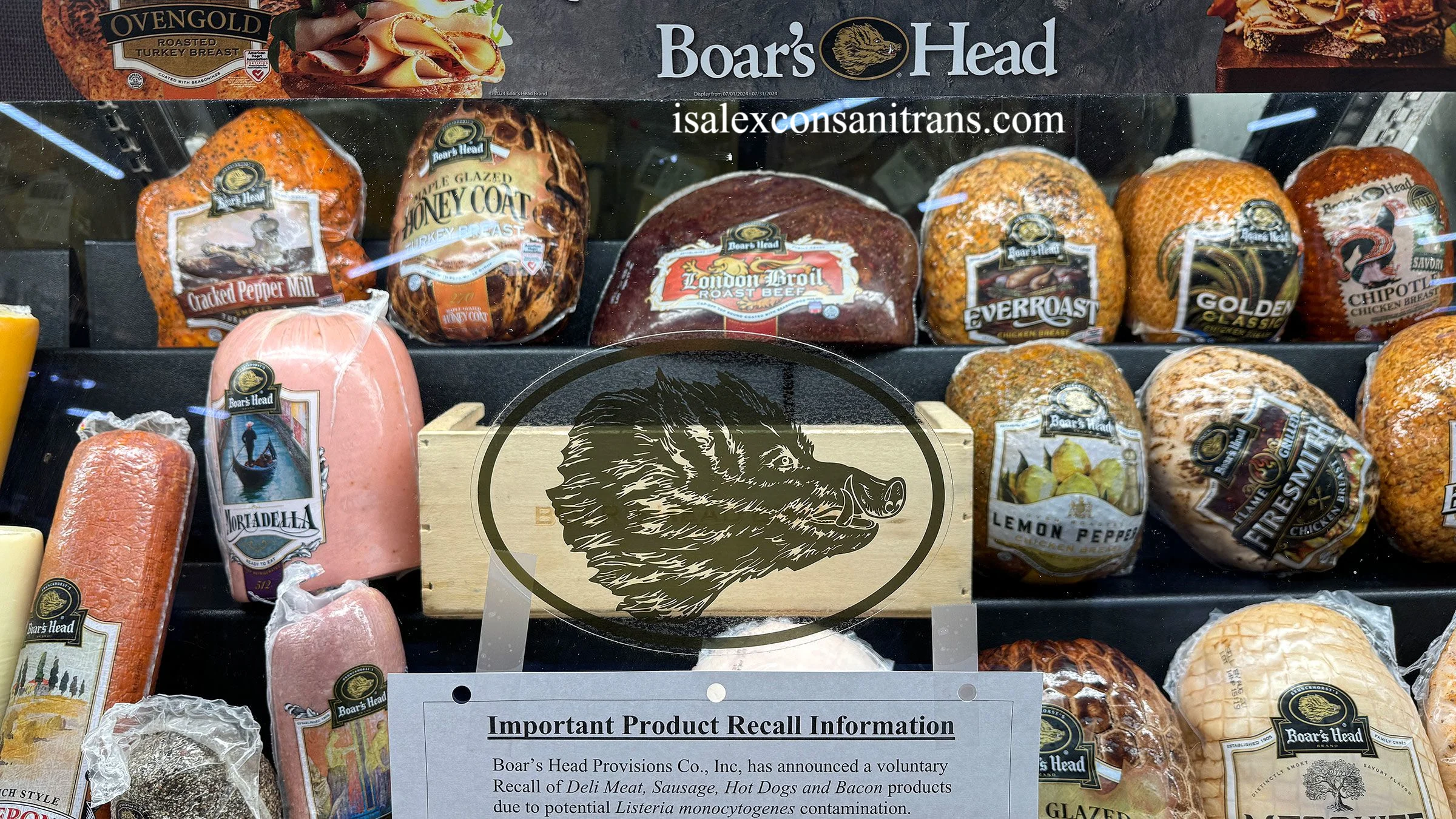
- Boar’s Head deli meats and liverwurst, the massive 2024 recall that still shapes food safety conversations today because of its scale and the lawsuits that followed.
Each deli meat recall case has its own timeline, but they all share one thing in common. Bacteria slipped through quality checks and reached store shelves before anyone caught the problem.
Why Was the Deli Meat Recalled?
Most deli meat recall events trace back to one of two bacteria: Listeria monocytogenes or Salmonella. Both can survive in ready to eat products, and both can cause serious illness.
Listeria Contamination
Listeria is sneaky. Unlike many other bacteria, it grows even in cold refrigerator temperatures. That means storing your deli meat properly will not always protect you if the product was contaminated before it reached your kitchen. The Daisy Brand headcheese recall and the Midamar pastrami recall both stemmed from Listeria monocytogenes found during routine testing and outbreak investigations.
Salmonella Outbreaks
The Taylor Farms and Deli Kitchen recall took a different path. This deli meat recall was tied to Salmonella found in jalapeños used in prepared meals sold at major grocery chains. This shows that contamination does not always start with the meat itself. Sometimes an ingredient added to the product introduces the risk.
Manufacturing and Facility Issues
The 2024 Boar’s Head recall exposed something bigger than one bad batch. Inspectors found mold, insects, and mildew at the company’s Virginia facility, along with dozens of federal noncompliance violations logged over the previous year. That recall involved 71 products and became one of the largest meat recalls in recent memory.
Which Brands and Products Are Affected?
Knowing the exact products matters because a deli meat recall rarely covers every item a brand sells. Here is a closer look at what has been pulled.
Daisy Brand Headcheese Products with a use by date of March 26, 2026, and an establishment number ending in 21406, were distributed to retail delis in Illinois and Indiana.
Midamar and Related Brands This recall covered several labels packed by City Foods Inc., including:
- Midamar Halal Sliced Pastrami Round
- Bea’s Best Cooked Corned Beef Brisket
- Kirsch Delicatessen Style Cooked Corned Beef Brisket
These products were produced on July 16, 2026, and carried a 60 day shelf life.
Taylor Farms and Deli Kitchen Affected items include the Chipotle Cheddar Chicken Wrap, Cajun Chicken Mashed Potatoes and Corn, Taylor Farms Chicken Enchiladas, and RaceTrac Southwest Style Salad Chicken. These were sold at Kroger, Dillons, and other retailers, with use by dates falling between early and mid August 2026. H E B stores also carried affected items under their Higher Harvest and Meal Simple brands.
Boar’s Head This deli meat recall covered nearly all deli meats and ready to eat liverwurst purchased before July 31, 2024, distributed across all 50 states.
How Can Consumers Identify Recalled Deli Meat?
You do not need to be a detective to figure out if your meat is part of a deli meat recall. Follow these simple checks.
- Check the use by or sell by date. Every recall notice lists specific dates. Compare that to the label on your package.
- Look for the establishment number. This appears inside the USDA inspection mark and pinpoints exactly which facility made the product.
- Check the brand name and product name carefully. Some recalls apply to specific labels only, even if the parent company sells many other products that are perfectly safe.
- Review lot numbers or case codes. These are often printed on the box or crimped end of packaging and help you confirm whether your specific unit is part of the recall.
- Visit the FSIS or FDA recall page. Official government sites post photos of labels, which makes comparison easy.
I always tell friends to snap a photo of any deli receipt before tossing it. It sounds excessive, but it makes checking against a future deli meat recall so much faster.
What Should You Do If You Bought Recalled Deli Meat?
If you find recalled meat in your fridge or freezer, do not panic, but act quickly.
- Stop eating it immediately. Even if it looks, smells, and tastes fine, bacteria like Listeria do not change the appearance of food.
- Throw it away in a sealed bag or return it to the store for a refund, depending on the retailer’s policy.
- Clean your fridge thoroughly. Wipe down shelves, drawers, and any counters the product touched, since bacteria can spread to nearby surfaces.
- Wash your hands and any utensils or cutting boards that came into contact with the meat.
- Watch for symptoms. Listeriosis symptoms can take up to ten weeks to appear, so do not assume you are in the clear right away.
- Seek medical care if you feel unwell, especially if you are pregnant, elderly, or have a weakened immune system, and mention the recalled product to your doctor.
Can Recalled Deli Meat Cause Illness?
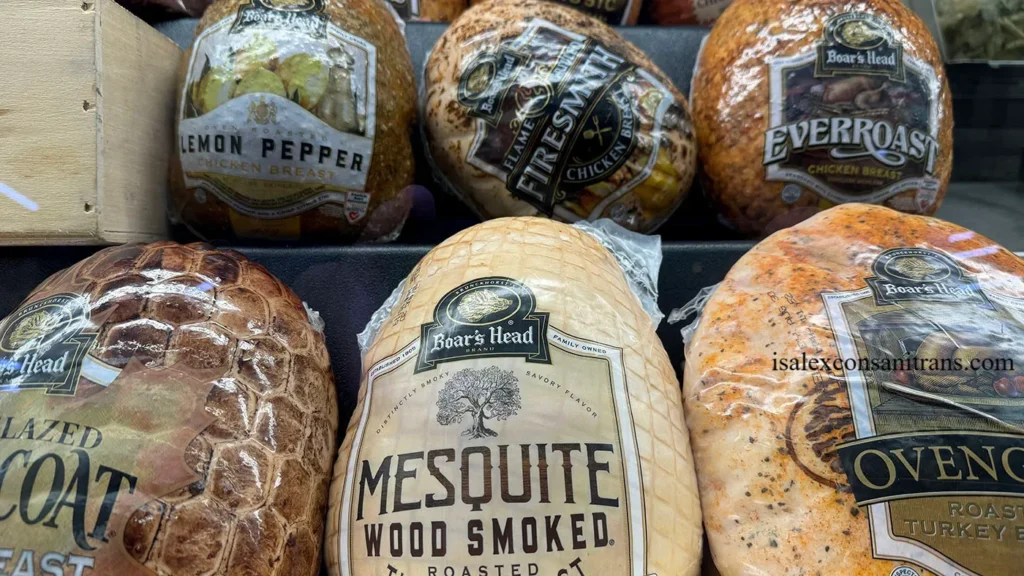
Yes, and the illnesses linked to a deli meat recall can range from mild discomfort to life threatening infection. Listeria causes an illness called listeriosis. Symptoms often include fever, muscle aches, nausea, and sometimes diarrhea. In pregnant women, the infection can lead to miscarriage, stillbirth, premature delivery, or severe infection in a newborn. Older adults and people with weakened immune systems face higher risks of hospitalization or death.
Salmonella infections typically bring fever, stomach cramps, and diarrhea within a day or two of eating contaminated food. Most healthy adults recover without treatment, but young children, older adults, and those with existing health conditions can develop more serious complications.
The 2024 Boar’s Head outbreak alone resulted in at least 59 hospitalizations and 10 deaths across 18 states, according to federal health data. That number alone shows why every deli meat recall notice deserves your attention, not a quick scroll past.
Final Thoughts
Deli meat recall notices are not rare background noise. They represent real risks sitting on real store shelves, sometimes in your own fridge right now. Checking labels, use by dates, and establishment numbers takes just a few minutes but can protect your entire household from a serious illness.
Have you ever found a recalled product in your fridge after seeing the news? Share this article with a friend or family member so they can check their own kitchen today. Staying informed is the easiest way to stay safe.
Frequently Asked Questions
What is the most recent deli meat recall? Recent recalls include Midamar pastrami and corned beef products from City Foods Inc., along with Taylor Farms and Deli Kitchen prepared meals linked to a Salmonella outbreak tied to jalapeños.
How do I know if my deli meat is recalled? Compare the use by date, establishment number, and brand name on your package to the official recall notice posted by FSIS or FDA.
Is it safe to eat deli meat right now? Deli meat is generally safe if it comes from a brand and batch not currently under recall. Always check current alerts before buying or eating deli meat, especially if you are pregnant or immunocompromised.
What bacteria causes most deli meat recalls? Listeria monocytogenes is the most common cause, followed by Salmonella, which can enter products through contaminated ingredients.
How long does Listeria take to cause symptoms? Listeriosis symptoms can appear anywhere from a few days up to ten weeks after eating contaminated food.
Can cooking deli meat kill bacteria? Yes, heating deli meat to an internal temperature of 165 degrees Fahrenheit before eating can kill Listeria and reduce risk, which is why health officials often recommend this step for high risk individuals.
Where can I check for the latest deli meat recall news? The USDA Food Safety and Inspection Service and the FDA both post updated recall notices with photos of affected labels.
What should pregnant women know about deli meat recalls? Pregnant women face a much higher risk of severe illness from Listeria, so it is especially important to check every deli meat recall notice before consuming deli products.
Do all deli meat recalls involve big brands? No. Recalls can involve small regional producers as well as large national brands, so checking labels matters no matter where you shop.
What happens to stores after a deli meat recall? Retailers are required to remove affected products from shelves immediately and often post signs or refund customers who bring back recalled items.
isalexconsanitrans.com
Author Name: Hamid Ali
Email: johanharwen314@gmail.com
About the Author: Hamid Ali is a content writer who covers food safety, consumer alerts, and health related news. He focuses on breaking down complex recall information into simple, practical guidance that everyday readers can use to protect their families.