Introduction
You know the feeling. It is a Friday evening. You are tired, hungry, and craving something warm and satisfying. You pick up your phone, type “italian restaurant near me,” and suddenly you are staring at a list of dozens of options with no idea which one is actually worth your time and money.
Searching for an italian restaurant near me is one of the most common food searches made online today. Italian cuisine ranks among the top three most popular food choices in the United States and across much of the world. Yet walking into the wrong place can mean rubbery pasta, watery sauce, and a bill that makes you regret ever leaving the house.
This article is your complete guide to finding, choosing, and fully enjoying the best italian restaurant near me wherever you live. You will learn what separates a genuine Italian dining experience from a mediocre one, how to read the signs of quality before you even sit down, what dishes to order, how pricing works, and what questions to ask. By the end, you will never waste a dinner on a disappointing Italian meal again.
Why Finding a Great Italian Restaurant Near Me Matters
Italian food is more than just pizza and pasta. It is a culinary tradition that spans thousands of years across dozens of distinct regional cultures.
Italy has 20 regions, and each one has its own food identity. Northern Italy favors rich cream sauces, butter, and risotto. Southern Italy leans on tomatoes, olive oil, seafood, and bold spices. Sicily brings Arab and Spanish influences into dishes that taste completely different from what you might find in Tuscany.
When you find a genuinely great Italian restaurant near me, you are not just getting dinner. You are getting a window into one of the richest food cultures on Earth.
The stakes are real. The global Italian food market was valued at over $900 billion in recent years and continues to grow. Americans alone spend enormous amounts annually dining at Italian restaurants, making it one of the most profitable cuisine categories in the country.
Great Italian food is also deeply connected to health. The Mediterranean diet, which is based largely on Italian food principles including olive oil, fresh vegetables, legumes, whole grains, and lean proteins, is consistently ranked as one of the healthiest eating patterns in the world. When the cooking is done right, eating Italian is genuinely good for you.
What Makes a Truly Authentic Italian Restaurant
Not all Italian restaurants are created equal. Some serve genuine food made with care and quality ingredients. Others serve heavily Americanized versions that bear little resemblance to real Italian cooking.
Here is what separates the real ones from the pretenders.
Fresh Ingredients Over Everything
Authentic Italian cooking starts with quality ingredients. Real Italian chefs use fresh pasta, San Marzano tomatoes, imported Parmigiano-Reggiano, and extra virgin olive oil as standard items. These are not luxury additions. They are the baseline.
If a restaurant uses canned vegetables from generic brands, powdered cheese from a green container, or frozen pasta that gets microwaved before serving, you are not eating authentic Italian food. You are eating a factory product with Italian names attached.
A Focused Menu
One of the clearest signs of a quality Italian restaurant is a short, focused menu. Real Italian chefs believe in doing fewer things extremely well.
If you pick up a menu and see 12 different types of pizza, 20 pasta dishes, 10 risottos, 8 salads, and 15 appetizers, that is usually a warning sign. It is nearly impossible to do all of that well simultaneously. Restaurants with 40-plus menu items typically rely on pre-made, frozen, or convenience products to keep up with demand.
A great Italian restaurant near me will typically have a tight menu with 5 to 8 pasta dishes, a handful of proteins, a few appetizers, and desserts that change with the season.
House-Made Pasta
Nothing tells you more about an Italian restaurant’s commitment to quality than whether they make their pasta in-house. Fresh pasta made from scratch with eggs and flour has a texture and flavor that dried or frozen pasta simply cannot replicate.
Ask your server directly whether the pasta is house-made. A confident “yes” with an explanation of what they make fresh is a very good sign. Hesitation or vague answers usually mean the pasta came from a bag.
How to Search for the Best Italian Restaurant Near Me
Finding the right place takes a bit more than just clicking the first result in a search engine.
Use Multiple Review Platforms
Do not rely on a single source. Cross-reference reviews across Google, Yelp, and TripAdvisor. Look for patterns. If multiple platforms consistently mention the same strengths or weaknesses, those observations are almost certainly accurate.
Pay specific attention to reviews that mention:
- The freshness of ingredients
- Whether pasta is house-made
- Quality of the service
- Consistency across multiple visits
- How the restaurant handles complaints
Look at Photos Posted by Real Customers
Professional food photography is designed to make everything look incredible. Real customer photos tell you the truth. Look for images of actual plates served at the table. Notice portion sizes, color, texture, and presentation. A plate of pasta that looks pale, dry, or piled with too much cheese is rarely a good sign.
Check When Reviews Were Written
A restaurant with 500 five-star reviews from five years ago may have changed ownership, chefs, or suppliers since then. Recent reviews from the last six months are far more reliable than older ones.
I always filter reviews to show the most recent first. It takes 30 extra seconds and saves a lot of disappointment.
Call Ahead and Ask Questions
Do not underestimate the power of a simple phone call. Call the restaurant and ask two or three quick questions. Ask if the pasta is made fresh. Ask if they make their own sauces. Ask about the specials that day.
How the staff answers tells you a lot. A knowledgeable, enthusiastic response suggests a kitchen that takes real pride in what they do. A bored or vague response suggests otherwise.
Red Flags to Watch Out For
Knowing what to avoid is just as important as knowing what to look for.
Watch out for these warning signs when choosing an italian restaurant near me:
- Breadsticks served immediately with jarred butter and no olive oil. Authentic Italian restaurants serve bread with olive oil, not flavored butter from a package.
- The menu has no Italian on it at all. Real Italian restaurants typically use Italian names for at least some dishes. An entirely English-language menu with generic descriptions often signals a restaurant focused more on mass appeal than authenticity.
- The pasta tastes mushy or overcooked. Italians cook pasta al dente, which means firm to the bite. Soft, mushy pasta is almost always pasta that was cooked in advance and reheated.
- The sauce tastes acidic and thin. A proper Italian tomato sauce is slow-cooked to develop sweetness and depth. Thin, watery, or overly acidic sauce usually means it was not cooked long enough or came from a jar.
- The cheese is applied from a can or shaker. Genuine Parmesan cheese is freshly grated tableside or in the kitchen. Pre-shredded or powdered cheese is a clear step down in quality.
Types of Italian Restaurants You Will Find Nearby
When you search for an italian restaurant near me, you will typically encounter a few distinct categories. Knowing which type you are walking into helps set the right expectations.
Trattoria Style
A trattoria is a casual, family-style Italian eatery. Portions tend to be generous, prices are moderate, and the atmosphere is warm and unpretentious. This is where locals in Italy go for everyday meals. In the United States, a good trattoria-style restaurant is one of the best values in dining.
Ristorante Style
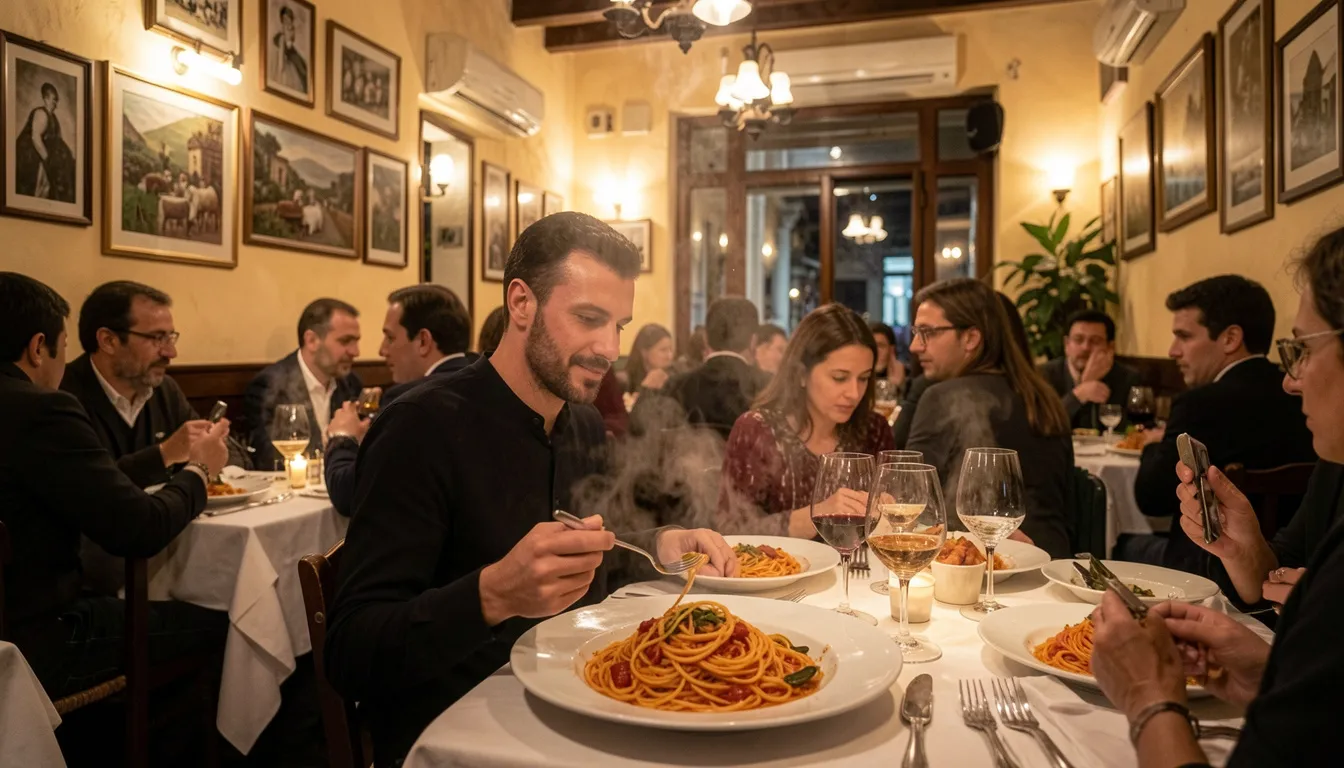
A ristorante is more formal. Expect white tablecloths, a deeper wine list, more refined presentations, and higher price points. These restaurants are appropriate for special occasions, business dinners, or anniversaries.
Pizzeria
A true Italian pizzeria focuses specifically on pizza, often Neapolitan style with thin crust, simple toppings, and wood-fired preparation. These are casual, fast, and often excellent value.
Italian American
Italian American restaurants reflect the evolution of Italian cooking through generations of immigrant families in the United States. Dishes like chicken parmigiana, baked ziti, and stromboli are American inventions rooted in Italian tradition. These places can be genuinely excellent and deeply comforting even if they differ from what you would find in Rome or Naples.
Must-Order Dishes at Any Italian Restaurant
When you finally sit down at a great italian restaurant near me, knowing what to order makes the entire experience better.
Pasta Dishes Worth Ordering
- Cacio e pepe. A Roman classic made with just pasta, Pecorino Romano cheese, and black pepper. When done right, it is one of the most satisfying dishes in Italian cooking.
- Amatriciana. A guanciale and tomato sauce with a subtle spice from chili flakes. Simple and deeply flavorful.
- Carbonara. Eggs, Pecorino, guanciale, and black pepper combine into a rich, silky sauce. No cream is used in a real carbonara.
- Tagliatelle al ragu. A wide, egg-based pasta with a slow-cooked meat sauce. The Bolognese version is the most well-known globally.
Appetizers to Start With
- Burrata with cherry tomatoes and basil
- Carpaccio with arugula and shaved Parmesan
- Supplì (fried rice balls with mozzarella)
- Bruschetta with ripe tomatoes and garlic
Desserts to Finish
- Tiramisu made in-house (always ask if it is house-made)
- Panna cotta with seasonal fruit
- Cannoli with fresh ricotta filling
- Affogato (a scoop of vanilla gelato drowned in a shot of espresso)
How to Read an Italian Menu Like a Pro
Italian meals follow a specific structure. Understanding it helps you order confidently.
Antipasto means “before the meal.” These are starters and appetizers designed to awaken your appetite, not fill you up.
Primo is the first course. In Italy, this is typically pasta, risotto, or soup. It is not the main event. It is a build-up.
Secondo is the main course. This is where proteins live: fish, meat, poultry.
Contorno refers to side dishes that accompany the secondo. Vegetables and salads fall here.
Dolce means dessert. Coffee in Italy is always served after dessert, never with it.
In the United States, most people order an appetizer, a pasta dish as their main, and a dessert. That is perfectly fine. But if you want the full Italian experience, try ordering a small primo and a separate secondo the way Italians actually do.
What to Expect from Italian Dining Etiquette
If you are dining at a more traditional Italian restaurant near me, a few etiquette points will help you feel comfortable.
- Do not ask for your food all at once if you are ordering multiple courses. Let each course arrive and finish naturally before the next.
- Bread is for eating between bites, not for dunking into your soup or sauce.
- Cappuccino is a morning drink in Italy. Ordering one after dinner is fine in the United States, but real Italians stick to espresso post-meal.
- Do not rush. Italian dining culture values the table experience as a whole. Lingering is considered appropriate, not rude.
- It is perfectly acceptable to ask your server what they personally recommend. Italian restaurant staff who love their food will enjoy the question.
Italian Restaurant Near Me for Special Occasions
Italian restaurants are among the most popular choices for celebrations, and for good reason.
The ambiance of a well-run Italian restaurant creates a sense of warmth and generosity that suits celebrations naturally. Whether it is a birthday, anniversary, first date, or family gathering, an Italian setting rarely disappoints.
When booking for a special occasion, always call ahead. Let the restaurant know about the occasion. Many Italian restaurants will prepare something small like a complimentary dessert or a personal note. They want your night to be memorable.
Ask about private dining rooms if you have a group of 8 or more. Many Italian restaurants have a separate room or back section specifically for private events with customizable menus.
I have celebrated more meaningful dinners at Italian restaurants than anywhere else. There is something about sharing a bowl of pasta family-style or splitting a tiramisu that creates real connection at the table.
Budget Guide: What You Should Expect to Pay
Knowing what to budget helps you choose the right type of italian restaurant near me for your plans.
Casual Italian (Trattoria or Pizzeria):
Expect to pay $12 to $25 per person for a full meal with a soft drink. These are everyday places with honest food and no pretension.
Mid-Range Italian Restaurant:
Budget $30 to $55 per person including an appetizer, pasta or main, and a glass of wine. This range covers most well-regarded neighborhood Italian restaurants.
Upscale Italian Ristorante:
Expect $70 to $150 or more per person for a multi-course tasting experience with a full wine pairing. These are special occasion restaurants where the service and ingredient quality are at their absolute peak.
Tipping at an Italian restaurant follows the same standard as American dining in general. A 18% to 20% tip is standard for good service. If your server went above and beyond, 22% to 25% is a meaningful way to show appreciation.
How to Judge Quality Before You Walk In
Before you commit to a restaurant, there are a few quick ways to assess quality from the outside.
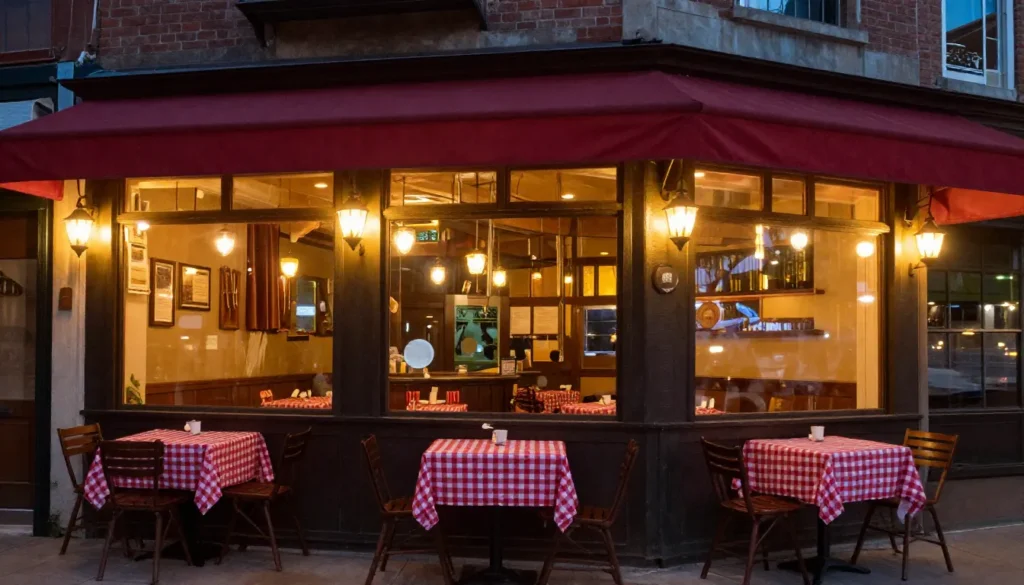
- Look at the tables through the window. Are they full on a weeknight? A busy restaurant on a Tuesday is a reliable sign that the neighborhood trusts the food.
- Check the parking lot or street outside. Are cars parked and people waiting? Popularity is usually a genuine indicator of quality in the restaurant world.
- Read the specials board or posted menu outside. Fresh daily specials that change based on seasonal ingredients signal a kitchen that cares. A laminated menu that has not changed in five years signals the opposite.
- Notice the smell. If you can smell garlic, herbs, and fresh tomato sauce from outside the door, that is an excellent sign.
Tips for Ordering Italian Food Like a Local
Here are some final practical tips to elevate every Italian dining experience:
- Order what the restaurant is known for. Ask your server what the most popular dish is and order it on your first visit. This is how you measure the kitchen at its best.
- Try the wine pairing. Italian food is built around Italian wine. Ask your server or a sommelier for a pairing recommendation even at a casual level.
- Start lighter than you think you need to. Italian meals are structured to build gradually. Avoid filling up on bread before your primo arrives.
- Ask about the pasta of the day. Many Italian restaurants make special fresh pastas not listed on the main menu.
- Finish with espresso. Even if you are not a coffee drinker, a single shot of espresso after an Italian meal is a tradition worth trying at least once.
- Go back more than once. A single visit rarely tells the full story of a restaurant. Two or three visits across different days give you a much clearer picture of consistency.
Conclusion
Finding a great italian restaurant near me is not about luck. It is about knowing what to look for, asking the right questions, and understanding what separates genuine quality from clever marketing.
Italian cuisine is one of the world’s most beloved food traditions for good reason. When you find a place that respects the ingredients, makes food with care, and creates a warm and welcoming atmosphere, a meal there becomes more than just dinner. It becomes a genuinely memorable experience.
The key things to remember are simple. Look for fresh ingredients and house-made pasta. Choose restaurants with focused menus. Read recent reviews across multiple platforms. Avoid the red flags. And when you find a place that gets it right, go back again and bring someone you care about.
Now it is your turn. Have you already found your favorite Italian restaurant near you? What made it special? Share this article with a friend who is still searching for their go-to spot, and help them skip the bad meals and get straight to the good ones.
FAQs
1. How do I find the best Italian restaurant near me?
Search on Google Maps, Yelp, and TripAdvisor simultaneously. Compare recent reviews, look at customer photos, and look for mentions of fresh pasta and house-made sauces. Call ahead to ask questions before you visit.
2. What is the difference between authentic Italian food and Italian American food?
Authentic Italian food is regional, ingredient-focused, and typically simpler. Italian American food evolved through immigrant tradition and features dishes like chicken parmigiana and baked ziti that do not exist in Italy. Both can be excellent depending on the restaurant.
3. What should I order at an Italian restaurant for the first time?
Ask your server for their most popular dish. Safe starting choices include a classic pasta like carbonara or amatriciana, a simple antipasto like bruschetta, and tiramisu for dessert.
4. How can I tell if an Italian restaurant is good quality?
Look for a short and focused menu, house-made pasta, fresh daily specials, and a kitchen that uses quality ingredients. Avoid places with very long menus, pre-shredded cheese at the table, or pasta that tastes mushy.
5. What is the average cost of dining at an Italian restaurant?
Casual Italian dining runs $12 to $25 per person. Mid-range restaurants cost $30 to $55 per person. Upscale Italian dining with wine pairings can reach $70 to $150 or more per person.
6. Is Italian food healthy?
Traditional Italian food based on Mediterranean principles, including olive oil, vegetables, legumes, and lean proteins, is genuinely healthy. Heavily Americanized Italian food with large portions, cream-heavy sauces, and fried items is less so.
7. What wine should I order at an Italian restaurant?
Ask your server for a pairing recommendation. In general, a Chianti pairs well with tomato-based dishes, a Pinot Grigio suits lighter fish and seafood pastas, and a Barolo pairs beautifully with slow-cooked meat dishes.
8. Should I make a reservation at an Italian restaurant?
Yes, especially on Friday and Saturday evenings. Popular Italian restaurants fill up fast. Call ahead or book online to secure your table, particularly for groups of four or more.
9. What does al dente mean?
Al dente is an Italian term meaning “to the tooth.” It describes pasta that is cooked until just firm when you bite into it, not soft or mushy. Properly cooked al dente pasta is a key sign of a quality Italian kitchen.
10. Can I find good Italian food at a budget price?
Absolutely. Casual trattorias and Italian pizzerias can deliver excellent quality at very affordable prices. Price alone does not indicate quality. A $14 plate of pasta at a family-run trattoria can outperform a $45 plate at an overpriced hotel restaurant.
Also Read In isalexconsanitrans.com
Email: johanharwen314@gmail.com
Author Name: Hamid Ali
About the Author: Hamid Ali is a food and travel writer with a deep passion for culinary culture and authentic dining experiences. He has explored restaurant scenes across multiple countries and brings that perspective into every article he writes. Hamid focuses on helping everyday readers cut through the noise and find genuinely great food experiences without the guesswork. His writing blends research, personal experience, and practical advice to help readers eat better, spend smarter, and enjoy every meal more fully. When he is not writing about food, Hamid is usually in a kitchen somewhere experimenting with recipes from around the world.