Introduction
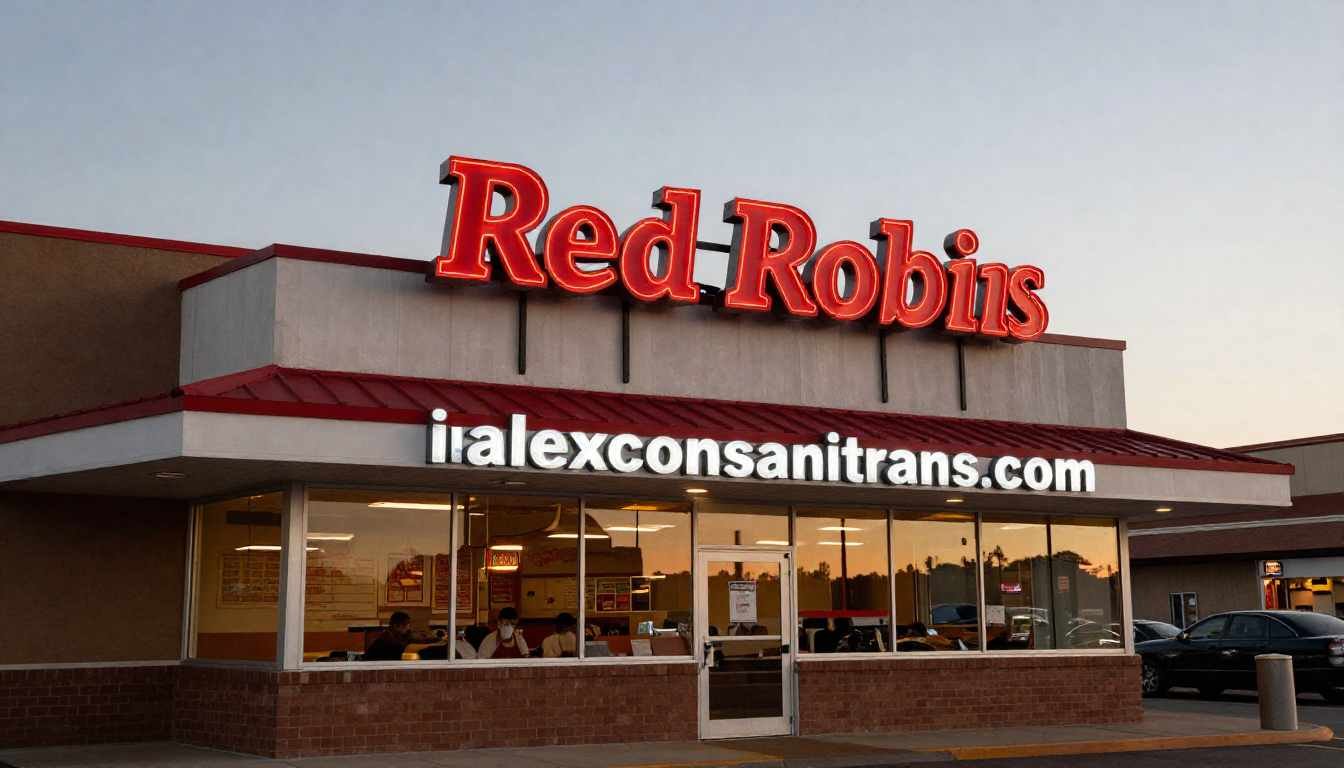
Red Robin restaurant closures have become one of the biggest talking points in the casual dining world this year. If you have noticed your local Red Robin looking a little quieter lately, you are not imagining things. The chain known for bottomless fries and gourmet burgers is going through a major shakeup, and it has left many loyal customers asking what happened.
You might be wondering if your favorite spot is on the closure list, or if this is a sign the whole brand is struggling. The truth is a bit more complicated than a simple decline story. Red Robin restaurant closures are part of a larger turnaround plan the company is using to fix years of financial pressure. In this article, we will break down exactly why these closures are happening, how many locations are affected, what the company is doing to recover, and what it all means for you as a customer. Let us dig into the details.
Why Are Red Robin Restaurant Closures Happening
The short answer is money. Red Robin restaurant closures are the result of years of declining sales and mounting losses that the company simply could not ignore anymore. Casual dining as a whole has taken a hit as families tighten their budgets, and Red Robin has felt that pressure more than most.
Rising food costs, higher labor expenses, and changing customer habits have all played a role. People are eating out less often, and when they do, many are choosing cheaper fast food options instead of sit down restaurants. This shift has squeezed profit margins across the industry, and Red Robin has not been immune.
How Many Locations Are Closing
This is probably the question on your mind, so let us get into the numbers. Red Robin originally identified around 70 underperforming restaurants for possible closure as part of its First Choice turnaround plan.
Here is a quick breakdown of what has happened so far:
- The company closed 23 locations in 2025 as part of its restructuring.
- About 20 of the originally flagged locations improved enough to come off the closure list entirely.
- Roughly 20 additional closures are expected in 2026 as store leases expire.
- When combined, Red Robin restaurant closures could total close to 50 restaurants over a three year period.
Red Robin currently operates just under 500 locations across the United States and Canada, spread over 39 states. The company has not publicly named every restaurant on the closure list, so it is worth checking directly with your local store if you are concerned.
The First Choice Turnaround Plan Explained
Red Robin is not simply closing restaurants and walking away. The company launched what it calls the First Choice plan, a strategy designed to stabilize the business and return it to profitability.
As part of this plan, Red Robin has focused on a few key areas.
Cutting Debt
The chain sold 30 company owned restaurants in Washington and Western Idaho to Evergreen Dining LLC for 23.5 million dollars in cash. Instead of simply shutting these locations down, Red Robin kept them within the brand as franchised units. This move brought in immediate cash that the company plans to use mostly to pay down outstanding debt.
I find this detail interesting because it shows Red Robin restaurant closures are not always about locations disappearing completely. Sometimes a closure on paper actually means a switch to franchise ownership rather than a total shutdown.
Improving Operations
Red Robin has also worked on improving how each restaurant runs day to day. Restaurant level operating margin improved to 12.7 percent, up nearly two full percentage points compared to the year before. Adjusted earnings before interest, taxes, depreciation, and amortization rose 53 percent compared to the previous year.
These numbers suggest that even as Red Robin restaurant closures continue, the restaurants that remain open are performing noticeably better.
Leaning Into Value
Rising dining costs have pushed many customers toward cheaper alternatives. Red Robin has responded by leaning heavily on value focused menu options and promotions to bring hesitant customers back through the door.
Who Are Red Robin’s Biggest Competitors
Understanding the competitive landscape helps explain why Red Robin restaurant closures happened in the first place. Red Robin faces pressure from several directions at once.
- Casual dining rivals such as Chili’s and Applebee’s, which balance value and variety well.
- Fast food giants like McDonald’s and Burger King, which attract customers looking to spend less.
- Fast casual chains such as Shake Shack and Five Guys, which offer a similar burger experience often at a lower price point.
This squeeze from both directions has made it harder for Red Robin to hold onto its usual customer base, which helps explain the pressure behind these closures.
Is Red Robin Going Out of Business
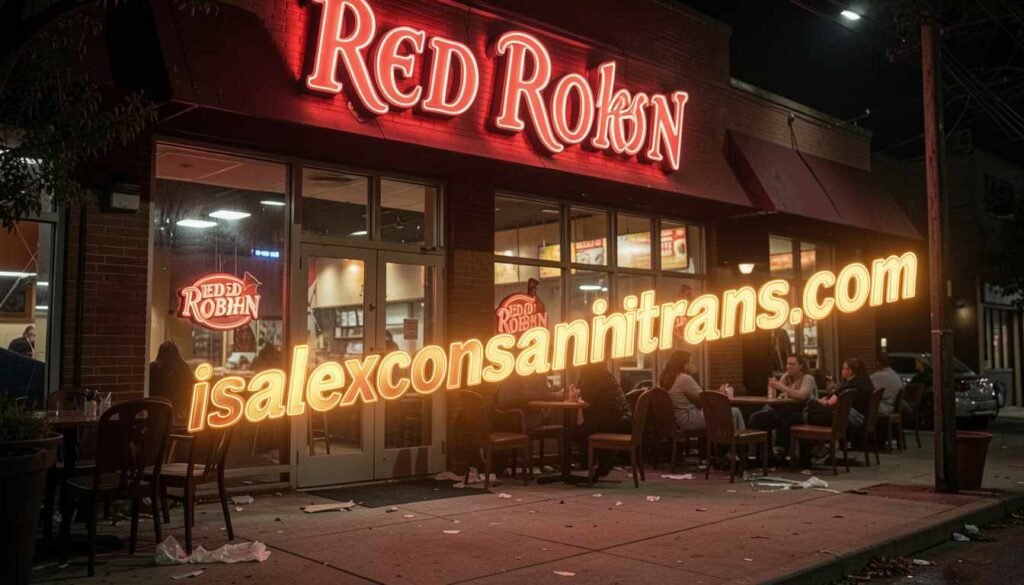
This is a common fear whenever a chain announces closures, but the answer here is no. Red Robin restaurant closures are part of a planned restructuring effort, not a sign the company is shutting down entirely.
In fact, some analysts have grown more optimistic. One investment firm upgraded its rating on Red Robin stock, pointing to signs of stabilizing customer traffic and a low valuation heading into the year. That is a very different signal than what you typically see from a company on the verge of collapse.
Compare this to other restaurant brands that faced far more severe outcomes this year. One casual dining company filed for bankruptcy and closed all of its restaurants completely, while another filed for liquidation after shutting every company owned location. Red Robin’s situation, while difficult, is nowhere near that level of crisis.
What This Means for You as a Customer
If you love Red Robin, here is what you should keep in mind.
Your local restaurant may still be open even if nearby locations have closed. The company has not released a full public list of every closure, so the safest step is to check directly with the restaurant or call ahead before visiting.
You may also notice more value focused deals and menu promotions as the chain works to win back customers. This could actually work in your favor if you are watching your budget.
Finally, if your favorite location does close, it does not necessarily mean the brand itself is disappearing. In many cases, restaurants are shifting to franchise ownership rather than closing for good.
Conclusion
Red Robin restaurant closures reflect a company working hard to correct course after years of financial strain. Between debt reduction, improved restaurant margins, and a renewed focus on value, the picture is more about strategic recovery than total collapse. Around 50 restaurants are expected to close over three years, but hundreds of locations remain open and some franchisees are even discussing new restaurant openings in stronger markets.
If you have a favorite Red Robin nearby, it is worth checking in on its status and enjoying a visit while you can. Have you noticed changes at your local Red Robin? Share your experience or thoughts, since real customer feedback often tells the fuller story behind headlines like these.
FAQs
Is Red Robin closing all of its restaurants?
No. Red Robin restaurant closures involve roughly 50 underperforming locations over three years, not the entire chain. The company still operates close to 500 restaurants.
How many Red Robin locations have closed so far?
Red Robin closed 23 restaurants in 2025, and around 20 additional closures are expected in 2026 as leases expire.
Why are so many restaurants closing right now?
Rising costs, changing customer habits, and years of declining sales have pushed many casual dining chains, including Red Robin, to restructure and close underperforming locations.
Is Red Robin filing for bankruptcy?
No public reports confirm bankruptcy plans. In fact, some analysts have grown more positive on Red Robin’s outlook due to improving financial metrics.
Which Red Robin locations are closing?
The company has not publicly shared a full list of specific closures, so it is best to contact your local restaurant directly for confirmation.
Will Red Robin open new locations too?
Yes. The company has mentioned discussions with franchisees about opening new restaurants in areas where business remains strong.
What is the First Choice plan?
It is Red Robin’s official turnaround strategy focused on reducing debt, improving restaurant operations, and offering better value to win back customers.
isalexconsanitrans.com
Email: johanharwen314@gmail.com
Author Name: Hamid Ali
About the Author: Hamid Ali is a content writer who focuses on business news, food industry trends, and consumer focused reporting. He enjoys breaking down complex company stories into clear, useful information that everyday readers can actually understand and use.