
Introduction
You are standing in the middle of a grocery store aisle, staring at a single bottle of soy sauce, and you know something is missing. Maybe you want to cook a proper bowl of ramen. Maybe you are craving fresh rice paper rolls or need real gochujang for that Korean recipe you bookmarked three weeks ago. That is the moment most people open their phones and search for an asian market near me.
And that search changes everything.
An asian market near me is not just a grocery store. It is a whole experience. You walk in and suddenly you are surrounded by ingredients you have never seen before, affordable produce that puts regular supermarkets to shame, and a kind of organized chaos that somehow makes perfect sense once you get used to it.
In this guide, you will learn what to expect, what to buy, how to find the best one in your area, and why visiting an asian market near me is one of the best food decisions you can make. Whether you are a seasoned cook or a total beginner, this article has everything you need.
What Is an Asian Market?
An Asian market is a specialty grocery store that focuses on food products, ingredients, and household goods from across Asia. This includes countries like China, Japan, Korea, Vietnam, Thailand, the Philippines, India, and many others.
These stores carry items that are difficult or impossible to find at mainstream supermarkets. Think fresh tofu, whole fish, dried mushrooms, rice flour, fermented sauces, and dozens of noodle varieties. The selection is both deep and wide.
Many Asian markets also carry beauty and personal care products, kitchen tools, snacks, and even frozen ready-to-eat meals. Some larger stores feel like small department stores. Others are tiny neighborhood shops run by families who have been serving their community for decades.
What unites all of them is authenticity. These are not watered-down versions of Asian cuisine. These are the real ingredients, sourced carefully, priced fairly, and stocked consistently.
Why You Should Visit an Asian Market Near Me
If you have never walked into an Asian market, you are genuinely missing out. Here is why these stores deserve a place in your regular shopping routine.
Better Prices on Staples
Asian markets are almost always cheaper than regular grocery stores for staples like rice, noodles, tofu, and fresh vegetables. You can buy a 25-pound bag of jasmine rice for what you would pay for a 5-pound bag elsewhere. If you cook Asian food even occasionally, the savings add up fast.
Incredible Variety
A typical Asian market stocks hundreds of sauce varieties, multiple brands of every staple product, and fresh produce you will never find at a chain supermarket. From bitter melon to taro root to fresh galangal, the produce section alone is worth the trip.
Fresh Seafood and Meat
Many Asian markets have a full seafood counter with live or freshly caught fish, shellfish, and other options that mainstream stores simply do not carry. The meat section often includes cuts that are perfect for Asian cooking techniques like braising, stir-frying, and grilling.
Cultural Connection
For many people, finding an asian market near me is about more than shopping. It is about connecting with their heritage, finding comfort in familiar foods, and keeping traditions alive. For others, it is a joyful exploration of new cultures through food.
What to Expect When You Walk In
Your first visit to an Asian market can feel overwhelming. That is completely normal. Here is what you will likely encounter.
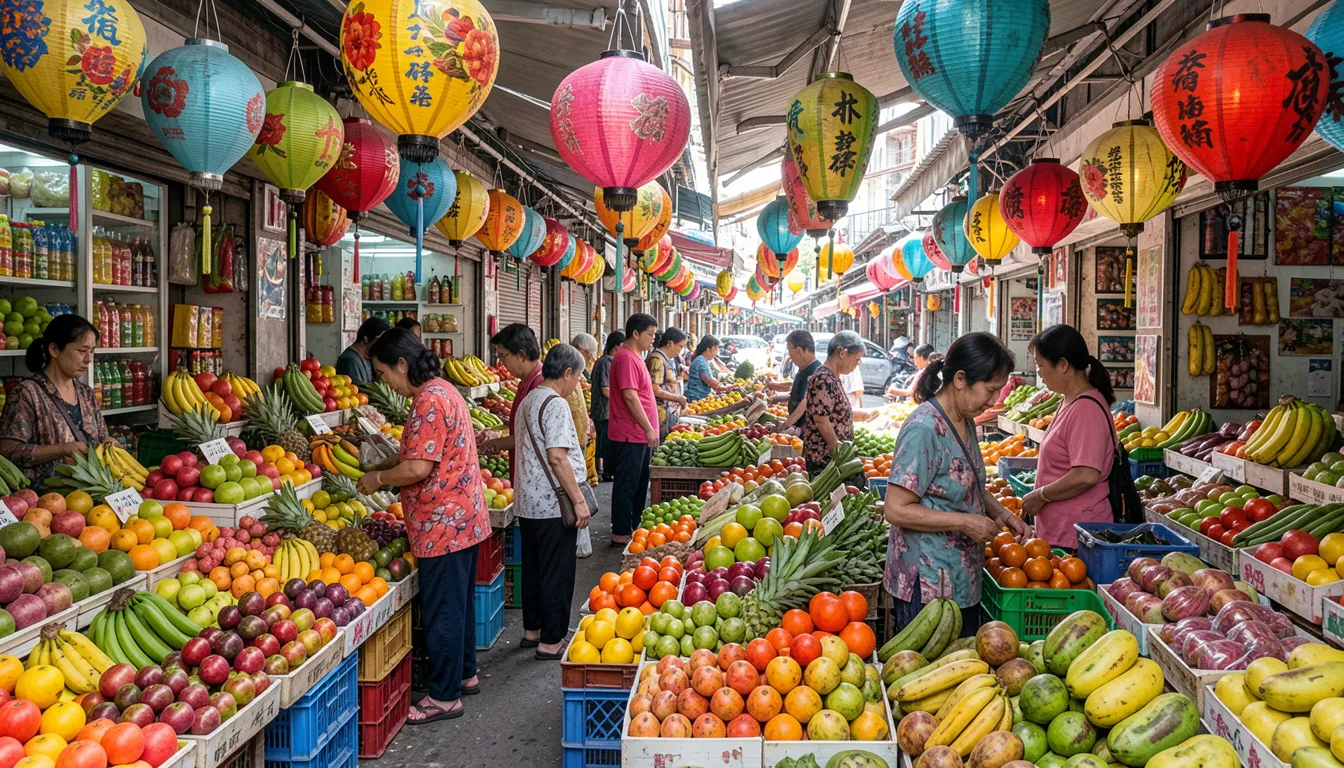
The produce section is usually near the entrance. It is packed with vegetables and fruits you may not recognize. Do not be afraid to ask what something is. The staff are almost always happy to help.
The sauce and condiment aisle is the heart of the store. You will find dozens of soy sauces, fish sauces, oyster sauces, chili pastes, and curry pastes. Take your time here. Read labels. Compare brands. I personally spend half my time in this aisle every single visit.
The frozen section is a treasure chest. Dumplings, spring rolls, rice cakes, and pre-marinated meats fill the freezers. These are lifesavers on busy weeknights.
The snack section deserves its own visit. Seaweed chips, shrimp crackers, mochi, pocky, and hundreds of other snacks line the shelves. You will leave with more snacks than you planned. That is a promise.
The noodle aisle is extensive. Fresh noodles, dried noodles, rice noodles, glass noodles, udon, soba, ramen, and more. Each one serves a different purpose in cooking.
Top Products You Will Find at Any Asian Market
No matter which asian market near me you visit, certain products are almost always in stock. Here are the ones worth adding to your cart.
Sauces and Condiments:
- Soy sauce (light, dark, and low sodium)
- Fish sauce
- Oyster sauce
- Hoisin sauce
- Gochujang (Korean chili paste)
- Miso paste
- Sesame oil
- Chili oil
Noodles and Grains:
- Jasmine rice
- Sushi rice
- Glass noodles
- Rice vermicelli
- Udon noodles
- Ramen noodles
Fresh Produce:
- Bok choy
- Napa cabbage
- Daikon radish
- Bitter melon
- Lemongrass
- Thai basil
- Taro root
Frozen and Ready-to-Cook:
- Pork dumplings
- Shrimp wontons
- Spring rolls
- Fish balls
- Tteok (Korean rice cakes)
Pantry Staples:
- Coconut milk
- Dried mushrooms
- Rice paper wrappers
- Toasted sesame seeds
- Panko breadcrumbs
How to Find the Best Asian Market Near Me
Finding a great asian market near me is easier than you think. Here are the most reliable methods.
Use Google Maps
Open Google Maps and type “Asian market near me” or “Asian grocery store near me.” The results will show you stores sorted by distance, along with ratings, reviews, photos, and hours. Always check the reviews before you go.
Ask in Food Communities
Reddit communities like r/cooking, r/AsianCooking, or local city subreddits are goldmines for recommendations. Real people share real opinions about which stores are worth visiting.
Check Yelp
Yelp tends to have detailed reviews with photos. You can filter by category, distance, and rating. It is a solid second option if Google Maps does not give you enough detail.
Ask Locals
If you live in or near a neighborhood with a significant Asian population, just ask around. Word of mouth is still one of the best ways to find hidden gems.
Use Facebook Groups
Local food groups on Facebook often have members who are passionate about their favorite grocery stores. A quick post asking for asian market near me recommendations will usually get helpful replies fast.
Types of Asian Markets and What Makes Each Unique
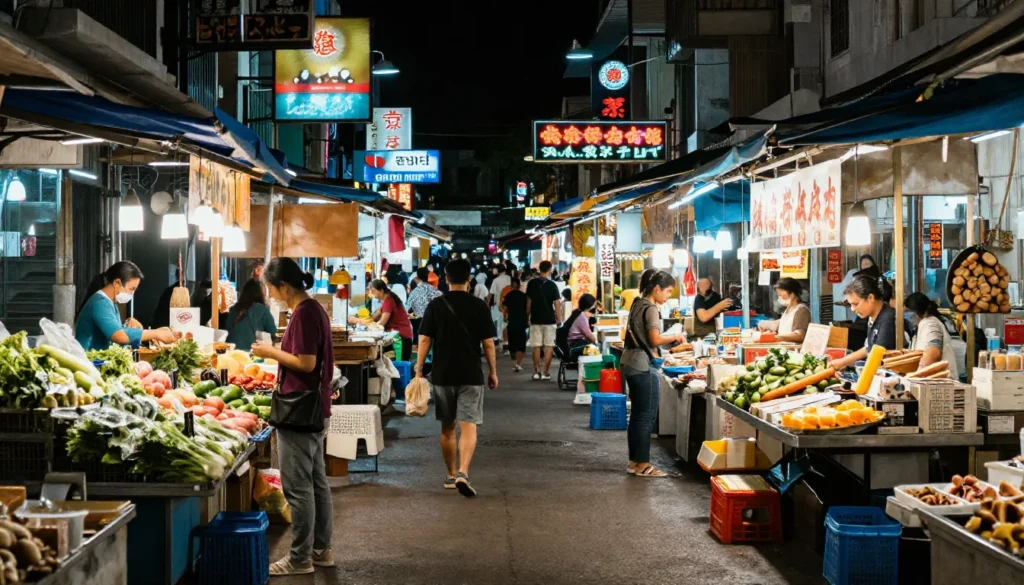
Not all Asian markets are the same. The type you find depends heavily on the demographics of your area.
Chinese Supermarkets
These are often the largest Asian grocery stores. Stores like 99 Ranch Market or H Mart carry products from multiple Asian countries but have a strong focus on Chinese and East Asian ingredients. They often have full service deli counters, fresh noodle sections, and extensive produce departments.
Korean Grocery Stores
Korean markets like H Mart put a big emphasis on Korean products. You will find a huge selection of kimchi, gochujang, Korean snacks, and fresh tofu. The banchan (side dish) counter is usually extraordinary.
Vietnamese and Southeast Asian Markets
These stores specialize in herbs, rice products, sauces from Vietnam, Thailand, Cambodia, and the Philippines. They tend to stock a lot of fresh herbs and specialty vegetables that are hard to find anywhere else.
Indian and South Asian Grocery Stores
These focus on lentils, spices, rice varieties, pickles, chutneys, and sweets. The spice selection alone can be breathtaking. If you cook Indian, Pakistani, or Sri Lankan food regularly, these stores are essential.
Japanese Markets
Stores like Mitsuwa or Marukai carry Japanese products with precision. The selection of dashi, mirin, sake, and imported Japanese snacks is hard to match anywhere else.
Tips for Shopping at an Asian Market for the First Time
Going in prepared makes the experience so much better. Here are practical tips to help you get the most out of your first visit.
- Go with a list but stay flexible. Have a plan for what you need, but leave room to explore. You will discover products you did not know existed.
- Bring cash. Some smaller Asian markets prefer cash or charge a small fee for card payments. Having both options available is smart.
- Check expiration dates. This applies to any grocery store, but it is especially worth doing when buying fermented products and condiments you are unfamiliar with.
- Do not be afraid to ask. The staff at most Asian markets are knowledgeable and willing to help. Ask how to use an ingredient you do not recognize. You might learn something amazing.
- Visit the snack aisle last. If you go there first, you will spend half your budget on snacks before you even reach the produce section. I learned this the hard way.
- Try the prepared food section. Many Asian markets have a small hot food area or deli section with freshly made items. It is an affordable and delicious lunch option.
- Bring reusable bags. Larger stores usually provide bags, but smaller markets sometimes charge for them or run out.
Asian Market vs Regular Grocery Store
You might wonder whether it is worth making the extra trip to an asian market near me when your regular grocery store is closer. Here is a simple comparison.
| Category | Asian Market | Regular Grocery Store |
|---|---|---|
| Price on rice and noodles | Much cheaper | Noticeably more expensive |
| Sauce variety | Extensive | Limited |
| Fresh produce | Highly specialized | General selection |
| Seafood | Fresh and diverse | Limited and pricier |
| Snack variety | Huge and unique | Small and generic |
| Spice selection | Deep and specific | Basic |
| Cultural authenticity | High | Low to moderate |
The conclusion is simple. For general everyday shopping, your regular store works fine. But for cooking Asian cuisine properly, nothing replaces an asian market near me.
Popular Asian Market Chains in the United States
If you live in the United States, you have access to some excellent Asian grocery chains. Here are the most widely available ones.
H Mart: One of the most popular Korean American supermarket chains. It has locations across many states and carries products from a wide range of Asian cuisines. The prepared food sections at H Mart are legendary.
99 Ranch Market: A Taiwanese American chain focused heavily on Chinese and East Asian products. It is well organized, clean, and well stocked. Very popular on the West Coast.
Mitsuwa Marketplace: A Japanese chain with a curated selection of Japanese imports. If you are serious about Japanese cooking, this is your place.
Seafood City: A Filipino American chain with excellent meat, seafood, and Filipino specialty products.
Patel Brothers: The go-to chain for South Asian groceries. Excellent spice selection and bulk pricing on lentils and rice.
Even if you do not live near one of these chains, a local independent asian market near me can often match or beat the selection. Independent stores tend to specialize based on their community, which means even deeper expertise in specific cuisines.
How to Make the Most of Your Visit
You found your asian market near me. You are there. Now what?
Start in the produce section and work your way around the perimeter. Pick up fresh vegetables and proteins first. Then move into the inner aisles for pantry staples. Save the frozen section and snack aisle for last.
Take photos of products you want to research later. Sometimes you will see an ingredient and want to look up a recipe before buying it. Photographing the label helps you find it online or in a cookbook later.
Buy small quantities of unfamiliar items first. If you have never used a particular sauce or grain, buy the smallest size available. Try it. If you love it, you can come back for the bigger package.
Sign up for any loyalty cards or email lists the store offers. Many Asian grocery stores run excellent sales on weekends or for specific holidays like Lunar New Year.
Finally, enjoy it. An asian market near me is not just a chore. It is one of the most sensory and rewarding grocery experiences you can have.
Conclusion
Finding a great asian market near me is one of those small life upgrades that makes a bigger difference than you expect. Better ingredients, better prices, and an entirely new world of cooking opens up once you make it part of your routine.
You now know what these stores carry, how to find them, what types exist, and how to shop smart on your first visit. The only thing left is to go.
Try that recipe you have been putting off. Pick up an ingredient you have never cooked with before. Ask a question. Buy one too many snacks. That is the experience everyone deserves to have.
Which type of Asian market are you most excited to visit? Share this guide with a friend who loves to cook and help them discover what they have been missing.
FAQs
1. What does an Asian market sell? Asian markets sell groceries, fresh produce, seafood, meat, sauces, noodles, snacks, and household goods sourced from across Asia. Many also carry beauty products and kitchen tools.
2. How do I find an Asian market near me? Search “Asian market near me” on Google Maps or Yelp. You can also ask in local food groups on Reddit or Facebook for community recommendations.
3. Are Asian markets cheaper than regular grocery stores? Yes, especially for staples like rice, noodles, tofu, and Asian sauces. The savings on bulk items are particularly significant.
4. Can I find fresh seafood at an Asian market? Absolutely. Most Asian markets have excellent fresh or live seafood sections with far more variety than standard supermarkets.
5. Do Asian markets carry Indian groceries? Some larger Asian markets carry South Asian products, but dedicated Indian or South Asian grocery stores like Patel Brothers offer a more complete selection.
6. Are Asian markets only for Asian people? Not at all. Everyone is welcome. Many customers visit purely out of culinary curiosity and a love of good food.
7. What should I buy on my first visit to an Asian market? Start with soy sauce, fish sauce, sesame oil, rice, and one or two types of noodles. Add some fresh vegetables and frozen dumplings for a complete first haul.
8. Is H Mart the best Asian market chain in the US? H Mart is one of the most popular and widely available chains. It has an excellent reputation for quality, variety, and prepared foods. That said, local independent stores can be just as good depending on your area.
9. What is the difference between Chinese and Korean grocery stores? Chinese markets tend to carry a broader selection across multiple Asian cuisines. Korean markets like H Mart focus more heavily on Korean products, especially fermented foods, snacks, and banchan.
10. Can I find vegetarian and vegan products at an Asian market? Yes. Asian markets are excellent for plant-based shoppers. Tofu varieties, mushrooms, plant-based proteins, miso, and vegetable-based sauces are widely available.
Also Read In isalexconsanitrans.com
Email: johanharwen314@gmail.com
Author Name: Hamid Ali
About the Author: Hamid Ali is a food and lifestyle writer with a genuine passion for world cuisines and the stories behind the ingredients that make them great. He has spent years exploring local markets, specialty grocery stores, and food communities across the country. His writing focuses on making global food culture accessible, affordable, and exciting for everyday home cooks. When he is not writing, Hamid is usually at his local Asian market, discovering something new in the sauce aisle.
