
Last Updated: August 28, 2026
Psychology Today Magazine is a long-running publication focused on psychology, mental health, human behavior, relationships, and personal growth. Unlike an academic psychology journal, it is written primarily for general readers and aims to make psychological ideas easier to understand and apply to everyday life.
The magazine began in 1967, when Nicholas Charney founded Psychology Today with the goal of bringing psychology to a wider audience. According to the official Psychology Today website, the publication grew substantially over the following decades and had a circulation of more than one million copies by 1981. Today, the magazine operates alongside PsychologyToday.com, which provides articles, mental health information, self-tests, and tools for finding mental health professionals.
What Is Psychology Today Magazine?
Psychology Today Magazine is a consumer publication covering psychology and human behavior. Its content can include mental health, relationships, personality, emotional well-being, personal development, parenting, therapy, and other subjects connected to human behavior.
The magazine is different from a peer-reviewed academic journal. Academic journals are primarily designed for researchers and professionals and usually contain detailed research methods, statistics, and formal scientific analysis. Psychology Today instead translates psychological ideas and research into more accessible articles for everyday readers.
The publication also works as part of a larger online platform. PsychologyToday.com currently provides information about mental health and behavior, along with therapist and treatment-center directories, self-tests, clinical terms, therapy information, and other resources.
When Was Psychology Today Founded?
Psychology Today was founded in 1967 by Nicholas Charney.
The official Psychology Today history explains that Charney wanted to make psychology accessible to ordinary readers rather than keeping psychological knowledge primarily within academic settings. The magazine became known for presenting psychology and behavioral science in an understandable format.
By 1981, Psychology Today reported a circulation of more than one million copies. The magazine has also featured prominent psychologists and psychiatrists over the years and has published material related to influential ideas in psychology and behavioral science.
Psychology Today Magazine History
Psychology Today’s history stretches across more than five decades. It began as a print publication during a period when interest in psychology and human behavior was growing.
One of its early strengths was its ability to make complicated psychological ideas understandable to a broad audience. Instead of limiting its content to academic discussions, the magazine explored questions about personality, relationships, behavior, emotions, society, and everyday life.
The publication later evolved alongside changes in media and technology. Its online presence expanded the brand beyond the printed magazine, allowing readers to access psychology and mental health content throughout the year.
According to Psychology Today’s official information, the magazine is now published six times a year, and its online archive contains magazine issues dating back to 1992.
What Is the Latest Psychology Today Magazine Issue in 2026?
As of August 28, 2026, the latest issue listed in Psychology Today’s official magazine archive is the July 2026 issue, titled:
26 Keys to Thriving
The July 2026 issue focuses on practical ways people can develop greater control over their lives and pursue a more meaningful life. Psychology Today describes the issue as a collection of 26 actionable approaches, including ideas related to pausing, ignoring distractions, and making better choices.
One notable article from the July 2026 issue is “When ChatGPT Joins the Therapy Session,” by Devon Frye. The article examines situations in which clients bring AI-generated insights into therapy and how this can affect the relationship between clients and therapists. The article was published July 7, 2026, and reviewed August 4, 2026.
The previous May 2026 issue was titled “The Best Ways to Begin Again,” while the March 2026 issue focused on “The Friend Effect: 23 Surprising Ways Other People Shape You.”
How Often Is Psychology Today Magazine Published?
Psychology Today Magazine is published six times a year, or approximately every two months.
The official subscription page describes the publication as bimonthly and currently offers subscription plans for different numbers of issues. Because prices and promotions can change, readers should check the official subscription page for the current cost before subscribing.
What Topics Does Psychology Today Magazine Cover?
Psychology Today covers a wide range of subjects connected to psychology and human behavior.
Mental Health
Mental health is one of the publication’s major areas of coverage. Topics can include anxiety, depression, ADHD, eating disorders, trauma, personality, stress, and emotional well-being.
The website also organizes information into mental health categories and provides educational material about different psychological conditions and treatment approaches.
Relationships
Relationships are another important area. Psychology Today covers romantic relationships, friendships, family dynamics, communication, intimacy, dating, conflict, and other interpersonal issues.
Its online platform also includes relationship-related quizzes and resources, including material about dating red flags and relationship behavior.
Personal Growth
The magazine also explores personal development and everyday psychological challenges. Topics may include confidence, motivation, happiness, emotional intelligence, habits, resilience, decision-making, and finding meaning.
The July 2026 issue’s “26 Keys to Thriving” theme is a good example of this practical approach.
Therapy and Psychology
Psychology Today also provides information about psychotherapy and different types of therapy. Its online platform allows users to learn about therapy approaches and search for mental health professionals.
The website’s professional directory includes options for finding therapists, treatment centers, psychiatrists, support groups, and online therapy.
Parenting and Family Life
Parenting, child development, family relationships, and adolescent development are also covered within Psychology Today’s broader mental health and psychology content.
These topics can help readers understand behavior and emotional development at different stages of life.
Is Psychology Today a Peer-Reviewed Journal?
No. Psychology Today Magazine is not a peer-reviewed academic journal.
It is a consumer psychology magazine. Its articles can be written by psychologists, therapists, researchers, medical professionals, and other expert contributors, but the publication itself should not be treated as a substitute for a peer-reviewed scientific journal.
Psychology Today’s editorial information says its online expert-author approach includes psychologists, scientists, medical doctors, psychotherapists, registered dietitians, and other professionals with relevant expertise.
For academic research, students and researchers should use peer-reviewed journals and original scientific studies. Psychology Today can instead be useful for accessible explanations, background information, and practical discussions of psychological topics.
Is Psychology Today a Reliable Source?
Psychology Today can be a useful source for general information about psychology and mental health, particularly when an article identifies a qualified expert or clearly discusses research.
However, readers should distinguish between an accessible magazine article and primary scientific evidence. A Psychology Today article should not automatically be treated as equivalent to a peer-reviewed research paper.
For important medical or mental health decisions, readers should consult qualified healthcare professionals and, where appropriate, review authoritative clinical or scientific sources.
What Makes Psychology Today Different?
One of Psychology Today’s main strengths is accessibility. Psychological research can sometimes be difficult for the general public to understand because academic papers use technical language and detailed methodologies.
Psychology Today presents many psychological topics in a more readable format. Its content also covers a broad range of human experiences rather than focusing on one narrow subject.
Another major advantage is the connection between the magazine and PsychologyToday.com. The website provides a much larger collection of ongoing articles and practical resources beyond the print publication.
How Can You Access Psychology Today Magazine?
Readers can access Psychology Today through its official subscription service and through the broader PsychologyToday.com website.
The magazine is available through print subscriptions, while the website provides a large amount of free psychology and mental health information. The official website also maintains an archive of past magazine issues.
For readers interested in older issues, the official magazine archive is particularly useful because Psychology Today states that its online archive goes back to 1992.
Why Is Psychology Today Still Relevant in 2026?
Psychology and mental health remain highly relevant as people deal with changing relationships, technology, work pressures, social media, loneliness, family challenges, and other aspects of modern life.
Psychology Today’s current online content reflects many of these subjects. Its homepage currently includes coverage of mental health, relationships, personal growth, addiction, parenting, and other areas of behavioral science.
Technology is also becoming an increasingly important subject. The July 2026 article “When ChatGPT Joins the Therapy Session” demonstrates how Psychology Today is addressing the intersection of artificial intelligence and mental health.
This combination of traditional psychology and emerging issues helps explain why the publication remains relevant more than 50 years after its founding.
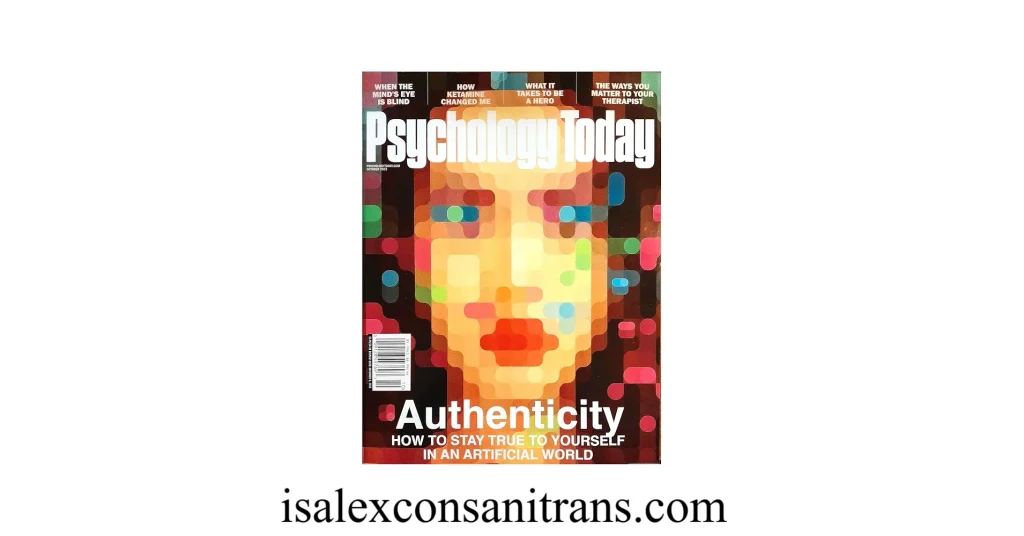
Psychology Today Magazine: Key Facts
- Founded: 1967
- Founder: Nicholas Charney
- Type: Consumer psychology magazine
- Publication frequency: Six issues per year
- Latest issue as of August 28, 2026: July 2026
- Latest issue title: “26 Keys to Thriving”
- Archive: Magazine issues available online from 1992 onward
- Main subjects: Psychology, mental health, relationships, personal growth, and human behavior
- Academic journal: No
- Website: PsychologyToday.com
Frequently Asked Questions
What is Psychology Today Magazine?
Psychology Today Magazine is a consumer publication about psychology, mental health, human behavior, relationships, and personal growth. It was founded in 1967 by Nicholas Charney.
Who founded Psychology Today?
Nicholas Charney founded Psychology Today in 1967 with the goal of making psychology more accessible to the general public.
What is the latest Psychology Today Magazine issue?
As of August 28, 2026, the latest issue listed in the official archive is the July 2026 issue, “26 Keys to Thriving.”
How often does Psychology Today Magazine come out?
Psychology Today Magazine is published six times per year, or approximately every two months.
Is Psychology Today a scholarly journal?
No. Psychology Today is a consumer magazine, not a peer-reviewed academic journal.
Does Psychology Today cover relationships?
Yes. Relationships are among the subjects covered by Psychology Today, including romantic relationships, friendships, family life, communication, and dating.
Can Psychology Today replace therapy?
No. Psychology Today can provide educational information, but magazine and website content should not replace professional diagnosis, therapy, or medical treatment.
Where can I find old Psychology Today issues?
Psychology Today’s official magazine archive provides access to past issues, with the online archive dating back to 1992.
Final Thoughts
Psychology Today Magazine has evolved from a print publication founded in 1967 into part of a much larger psychology and mental health information platform.
Its focus remains centered on making psychology understandable and relevant to everyday life. In 2026, that includes traditional subjects such as relationships, mental health, and personal growth as well as newer issues involving technology and artificial intelligence.
The latest issue, July 2026’s “26 Keys to Thriving,” shows the magazine’s continuing emphasis on practical psychological ideas that readers can apply to everyday life.
For general education about psychology, Psychology Today can be a useful starting point. For scientific research or personal medical decisions, however, readers should also consult peer-reviewed research and qualified professionals.
isalexconsanitrans.com
Email: johanharwen314@gmail.com
Author Name: Hamid Ali